If you’re preparing to sell, understanding what impacts home value can save you time, stress, and money. Sellers often assume the biggest value boosters are expensive renovations—but in reality, buyers (and appraisers) weigh a mix of fundamentals: location, condition, comparable sales, layout, and how your home shows in today’s market.
In Arizona, those factors can play out differently depending on the city, neighborhood, and even the season. A small upgrade that matters in one area might not move the needle elsewhere. This guide breaks down the top factors that affect home value—and what you can realistically influence before you list.
Location still impacts home value more than anything
You can change a kitchen backsplash. You can’t change where the home sits.
Here’s what “location” really means to buyers and appraisers:
Neighborhood demand and reputation
Homes in areas with strong demand tend to sell faster and hold value better. Demand can be driven by:
- Commute convenience
- Community amenities (parks, trails, dining)
- Perceived safety and neighborhood pride
- Nearby job growth and development
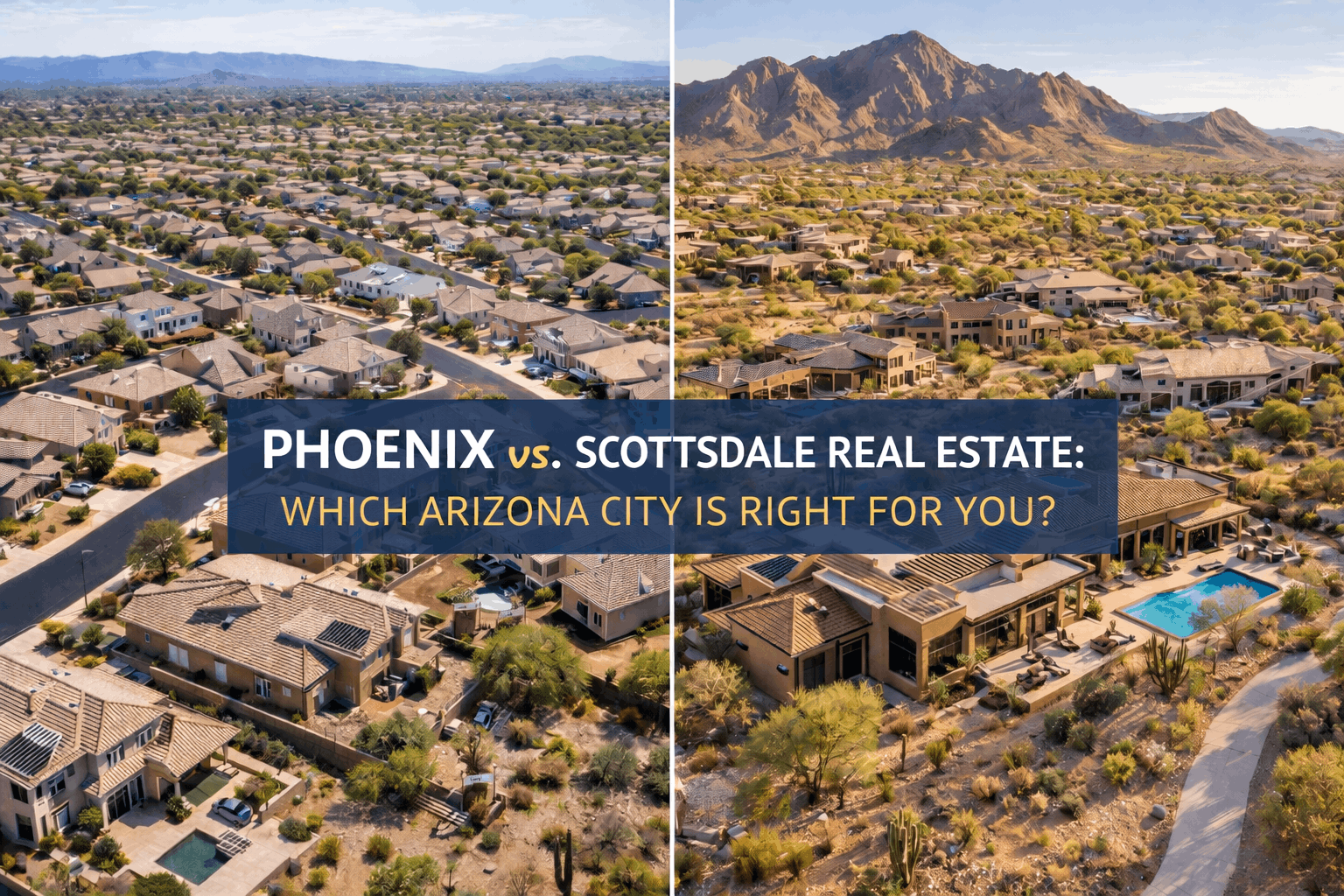
For example, pricing and buyer expectations can differ dramatically between the Phoenix real estate market and lifestyle-driven submarkets like Scottsdale, even when homes have similar square footage.
School zones and district boundaries
Even buyers without children frequently consider school ratings because they can influence resale value. Homes in desirable school boundaries often see stronger competition—especially for family-friendly layouts.
Proximity and “nuisance factors”
A home value can be affected by what’s nearby, such as:
- Busy roads, highways, or train tracks
- Commercial zones (good for convenience, sometimes negative for noise/traffic)
- Power lines, drainage areas, or industrial uses
These factors don’t always “ruin” value, but they can reduce buyer pool size—meaning price sensitivity increases.
Comparable sales (comps) set your price ceiling
One of the most misunderstood realities of selling: your home is not valued in a vacuum.
Buyers compare your home to similar homes that recently sold. Appraisers do the same. That means your home’s market value is heavily influenced by:
- Recent sales within your neighborhood (often the past 3–6 months)
- Similar size, age, and lot characteristics
- Similar condition and upgrade level
If nearby homes sold with updated kitchens and yours hasn’t been refreshed in 20 years, buyers may price your home mentally below those listings—even if your home is spotless and well cared for.
If you’re curious what’s competing for buyer attention right now, browsing Arizona homes for sale can help you see how homes are being presented, what upgrades are common, and where buyers have options.
Condition and maintenance: the “silent” value driver
A home doesn’t have to be fully remodeled to sell well—but it does need to feel cared for.
Big-ticket systems matter (even if buyers can’t “see” them)
In Arizona, buyers pay close attention to:
- HVAC age and performance (a huge factor in summer comfort and utility costs)
- Roof condition
- Windows and insulation (heat control)
- Plumbing and electrical basics
When these items are aging or questionable, buyers often ask for concessions—even if they still like the home. If major components are newer, it can strengthen your negotiating position because the buyer feels fewer “surprise costs” are waiting after closing.
Deferred maintenance lowers perceived value quickly
Small issues can snowball in a buyer’s mind:
- Dripping faucets
- Sticking doors
- Cracked outlet covers
- Peeling paint or worn baseboards
- Broken screens, missing closet doors, damaged blinds
Individually, these aren’t expensive. But collectively, they suggest the home hasn’t been maintained—and buyers discount for uncertainty.
Layout and functionality influence value more than many upgrades
Two homes can have the same square footage and wildly different buyer appeal.
Flow and livability
In today’s market, buyers consistently favor:
- Open (or semi-open) living spaces
- A functional kitchen that connects to main living areas
- Bedrooms positioned for privacy
- Sufficient storage (pantries, linen closets, garage space)
A chopped-up layout, awkward room shapes, or wasted space can reduce demand—even if the finishes are nice.
Bedroom and bathroom count (and how they’re configured)
Bedroom count matters, but so does usability:
- Is there a true primary suite?
- Are bathrooms accessible from guest areas?
- Is a “bedroom” missing a closet (or nonconforming)?
A well-designed 3/2 can sometimes outperform a poorly designed 4/2 because buyers think in terms of how they’ll live, not just statistics.
Updates that buyers pay for (and ones they don’t)
Not all improvements produce the same return. Some upgrades help your home sell faster and closer to top dollar, while others mainly reflect personal taste.
Updates that often increase perceived value
These commonly improve buyer confidence and “move-in-ready” appeal:
- Fresh interior paint in modern neutrals
- Updated lighting and ceiling fans
- Newer flooring (especially replacing heavily worn carpet)
- Clean, cohesive hardware (door handles, faucets, cabinet pulls)
- Updated countertops (when done tastefully and consistently)
Updates that can be risky for resale
Be cautious with improvements that are highly specific:
- Ultra-bold design choices
- Overly customized built-ins that reduce flexibility
- Converting a garage into living space (often hurts value in Arizona)
- Luxury upgrades that exceed neighborhood norms
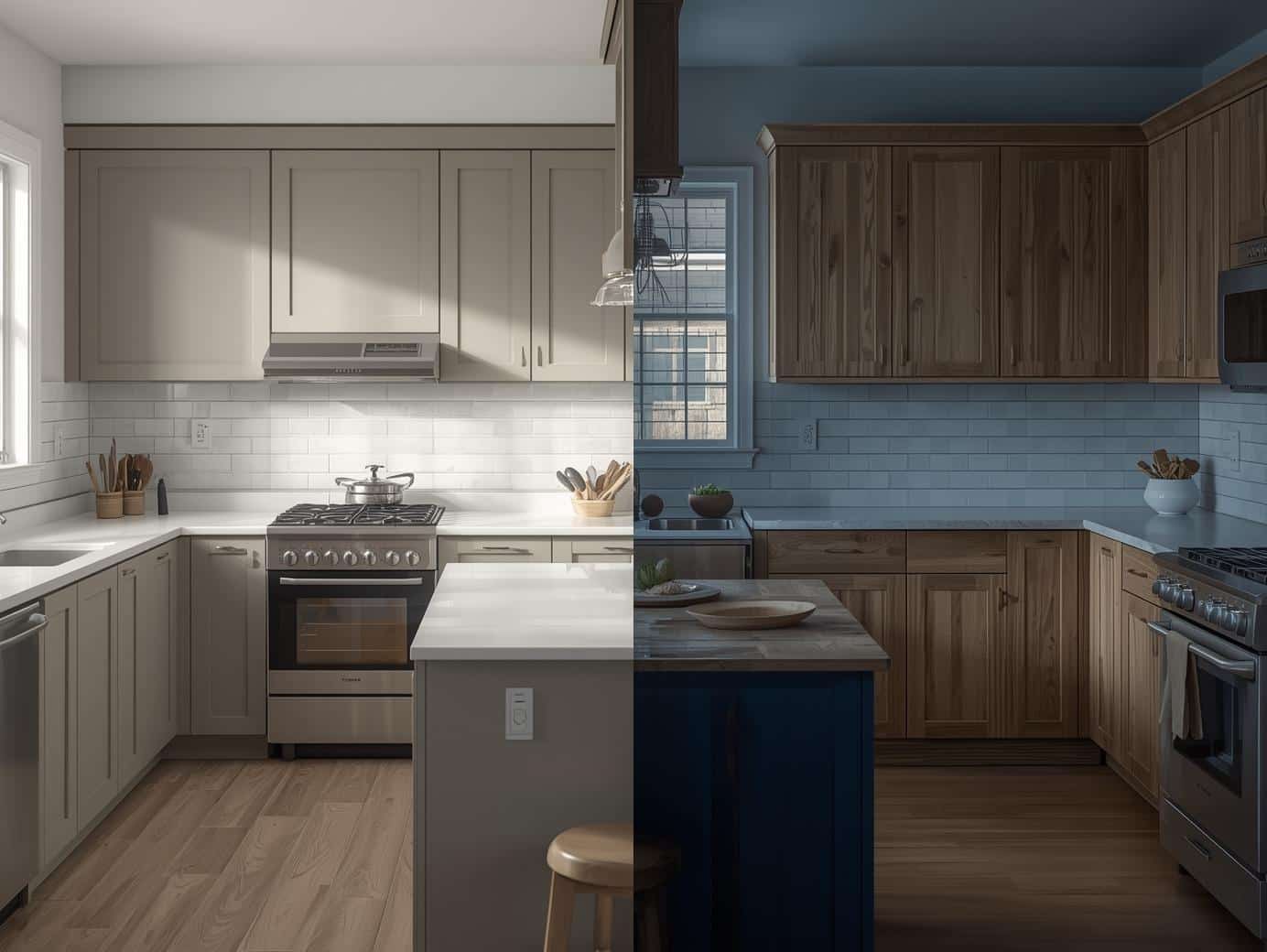
A general rule: upgrades are most valuable when they match buyer expectations for the neighborhood. If you’re in a market where most homes already have updated kitchens, an outdated kitchen may be a clear drag. But if the area is full of original homes, a modest refresh may be plenty.
If you want a practical way to prioritize improvements and pricing, the West USA Realty seller resources can help you understand the typical prep path—without over-improving.
Curb appeal and first impressions shape buyer psychology
Value isn’t just numbers—it’s emotion. And first impressions often decide whether a buyer falls in love, feels uncertain, or starts mentally subtracting dollars before they walk inside.
Exterior presentation matters in Arizona
Because many showings happen in bright sunlight, details stand out:
- Stucco and paint condition
- Clean windows and tidy landscaping
- Front door, exterior light fixtures, visible hardware
- Desert landscaping maintenance (trimmed, clean, intentional)
A home that looks sharp from the street signals “this home has been cared for,” which encourages stronger offers and fewer repair requests.
Cleanliness is a value factor (yes, really)
A deep-cleaned home shows better, smells better, photographs better, and feels newer. Buyers often equate cleanliness with maintenance, even though they’re not the same thing.
Lot characteristics can move value up or down
In many Arizona neighborhoods, the lot is a major differentiator—sometimes more important than interior finishes.
Factors that can increase value:
- Corner lots (sometimes)
- Larger lots with usable space
- Privacy (no neighbors behind, or good separation)
- Views (mountains, desert wash, city lights)
Factors that can reduce value:
- Odd shapes that reduce usable yard space
- Lots backing to busy streets
- Drainage easements or limited buildability
If your home has a standout lot feature, it should be emphasized in marketing and pricing strategy because it’s not easily replicated.
Pools, outdoor living, and Arizona-specific value drivers
In the Valley, outdoor living isn’t a “nice-to-have”—it’s often part of the lifestyle.
Pools: valuable, but not automatically a premium
A pool can boost demand, but its impact depends on:
- Price point (pools are expected in some ranges, optional in others)
- Condition (newer plaster/equipment vs. aging systems)
- Yard usability (pool that leaves room for seating and play tends to show better)
A well-maintained pool can be a selling advantage. A neglected pool can become a negotiating problem.
Patios, shade, and outdoor comfort
Buyers notice:
- Covered patios
- Quality pergolas or shade structures
- Low-maintenance landscaping with a clean design
- Outdoor lighting and entertaining areas
Sometimes a modest outdoor refresh (cleanup + staging + lighting) can deliver more impact than a costly interior project.
Market conditions and timing influence value in the real world
Even though “value” has fundamentals, the final sale price is still shaped by current buyer behavior.
Key market forces include:
- Current inventory levels (more options = more price sensitivity)
- Interest rates and buyer affordability
- Seasonal demand (snowbird season vs. mid-summer dynamics)
- Buyer incentives and negotiation norms
This is why two identical homes can sell for different prices in different months. Pricing strategy is about aligning your home’s strengths with what buyers are doing right now.
City-level differences: why value drivers change across the Valley
Not all buyers want the same lifestyle. What impacts home value can vary by area:
- In Gilbert, buyers often prioritize newer community amenities, strong schools, and functional family layouts.
- In Queen Creek, buyers may pay more attention to lot size, newer construction trends, and space for hobbies, RV parking, or multi-gen living.
If you’re unsure which city pages apply to your move, exploring the Valley through the West USA Realty site can help you compare communities and get a clearer picture of what buyers value in each area.
What sellers can do to protect (and maximize) home value before listing
You can’t change your home’s location, but you can control how it competes.
Here are the highest-impact, seller-friendly actions:
1) Fix the obvious
Address visible issues that create doubt:
- Leaks, stains, damaged trim, broken fixtures
- Touch-up paint
- Loose handles, squeaky doors, cracked plates
2) Make it feel bright, clean, and spacious
- Declutter (especially counters, closets, and the garage)
- Deep clean (baseboards, windows, bathrooms)
- Improve lighting (new bulbs, replace dated fixtures)
3) Refresh strategically (not emotionally)
If you’re going to spend money, focus on improvements that:
- appeal to most buyers
- match neighborhood expectations
- reduce “move-in” friction
4) Price with the market, not with memories
Overpricing often leads to:
- longer days on market
- price drops
- buyers wondering “what’s wrong with it?”
- weaker negotiating position
A smart pricing plan considers comps, current competition, and how your home compares in condition and presentation.
FAQs
What impacts home value the most?
Location and comparable sales usually carry the most weight, followed closely by condition, layout, and buyer demand in your neighborhood.
Do renovations always increase home value?
No. Some renovations add value, but others don’t return their cost—especially if they’re highly customized or exceed neighborhood norms. Strategic, broadly appealing updates tend to perform best.
Does a pool increase home value in Arizona?
Sometimes. A well-maintained pool can boost demand and appeal, but the value impact depends on price point, neighborhood expectations, and pool condition.
How can I estimate my home’s value before selling?
Look at recent sold comps and current competition, then compare your home’s condition and features. A local pricing strategy is often more accurate than online estimates alone.
Should I fix everything before listing?
Not necessarily. Fix what creates visible doubt or suggests deferred maintenance, and consider whether larger repairs are better handled through pricing and negotiation strategy.
Conclusion: focus on the factors that buyers pay for
When sellers ask what impacts home value, the biggest answer is surprisingly consistent: location, comps, and condition—then layout, lot, and the “feel” buyers get when they walk through the door. The good news is that you can influence several of those factors through smart prep, strategic updates, and strong positioning.
If you’re considering a sale, start by seeing what buyers are choosing today by browsing Arizona homes for sale. For step-by-step guidance on pricing, prep, and timelines, explore the West USA Realty seller resources. And when you want a clear plan tailored to your neighborhood, West USA Realty can help you evaluate your home’s strengths and sell with confidence.