

Buckeye Real Estate: Homes for Sale in Buckeye, Arizona

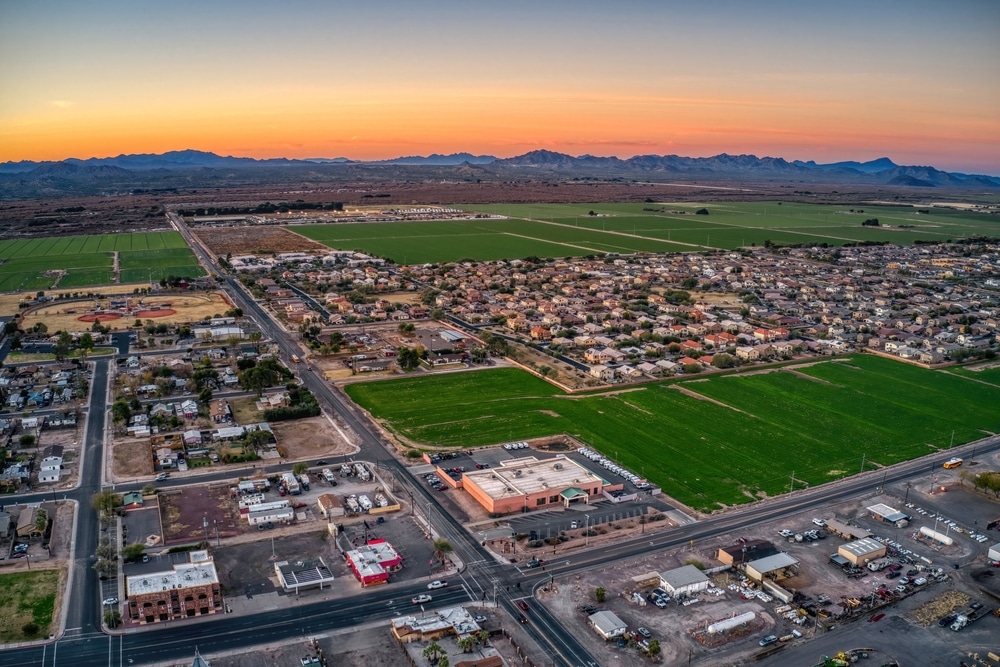
Aerial,View,Of,Sunrise,Over,The,Phoenix,Suburb,Of,Buckeye,

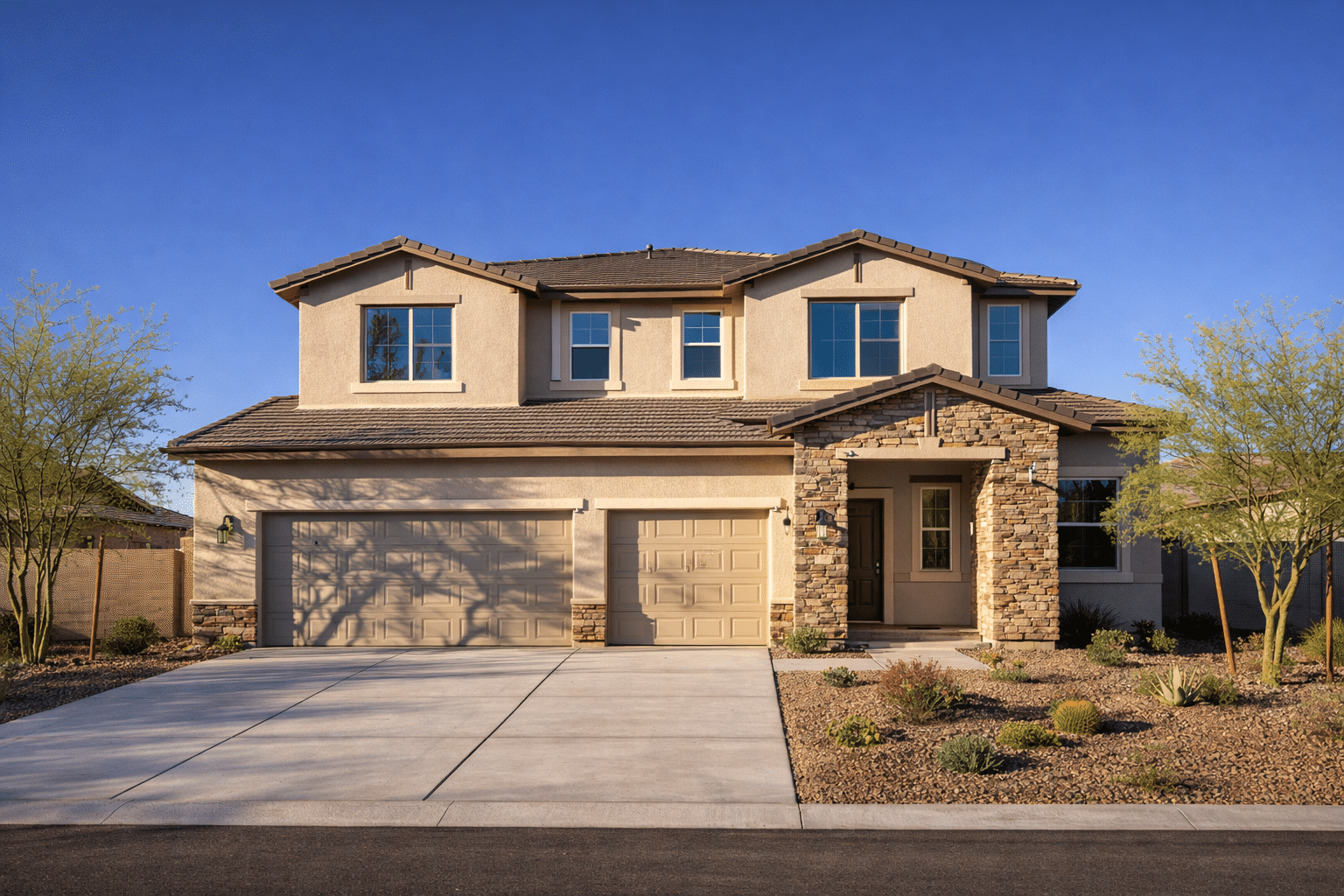
Buckeye real estate sits at a distinct crossroads: land-rich, price-competitive, and quietly building into one of the most active housing markets in the West Valley. Buyers searching for homes for sale in Buckeye AZ increasingly find a city that has outgrown its small-town origins while holding onto the open-desert scale that drew early residents here. The city spans more than 640 square miles — the largest land area of any municipality in Arizona — and that scale translates directly into housing variety and lot sizes that are difficult to match at comparable price points elsewhere in the metro. Whether you are relocating from out of state, upgrading from a starter home, or entering the market for the first time, Buckeye offers a price-to-space ratio that stands on its own.

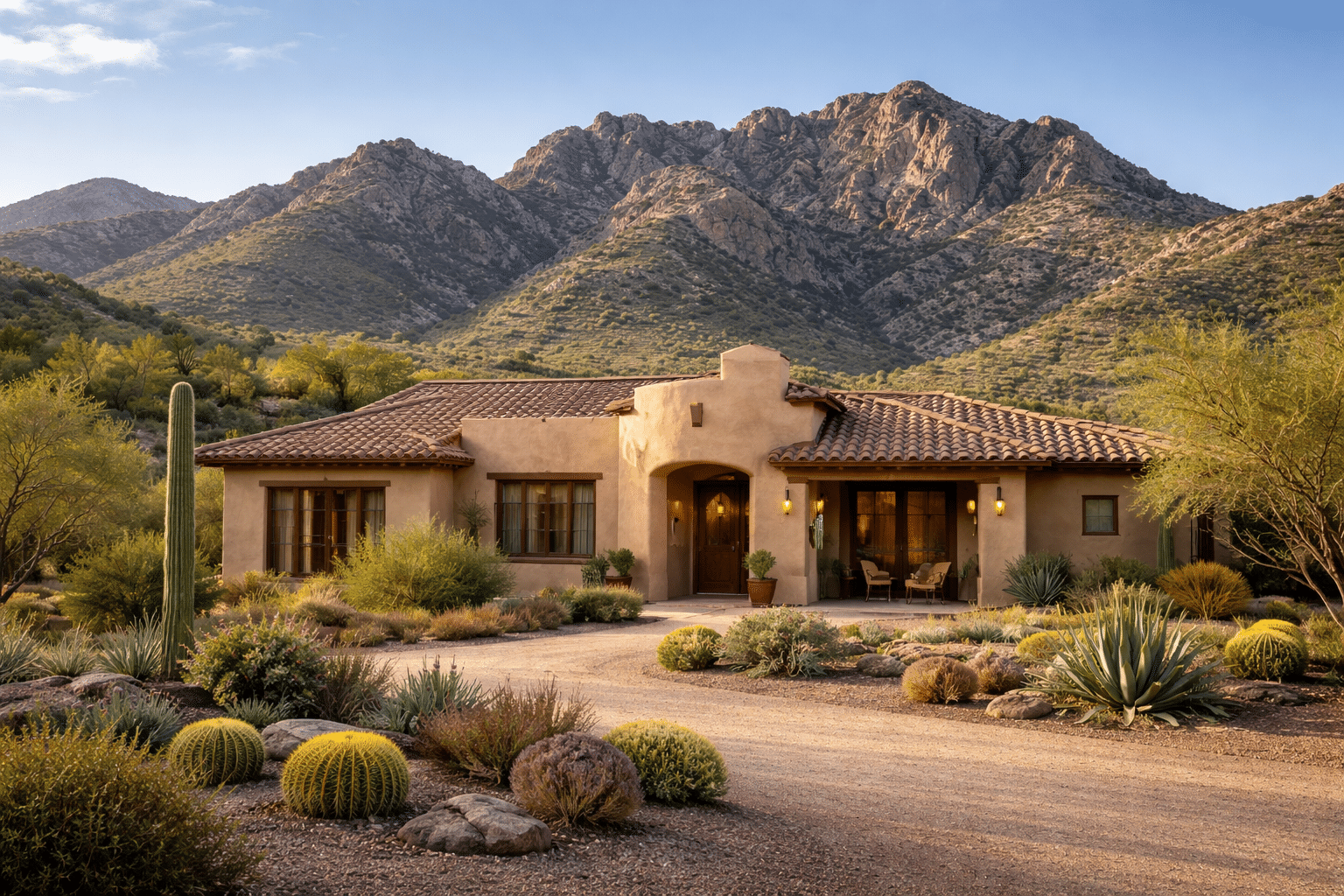
Buckeye AZ home with White Tank Mountains backdrop under clear winter sky — West USA Realty

Buckeye Housing Market — Price Ranges, Inventory, and West Valley Context

The Buckeye housing market has expanded steadily over the past decade, shaped by master-planned development, direct I-10 access, and prices that remain below most comparable West Valley cities. Single-family detached homes make up the majority of available inventory, with townhomes and patio homes appearing in a growing share of newer communities designed for lower-maintenance living.

Price ranges in Buckeye run broadly from the low $300s for smaller resale homes in the city’s established sections to the mid-$500s and above for larger new-construction homes in master-planned communities with resort-level amenities. The densest price segment — homes in the upper $300s to mid-$400s range — is where buyers find the most competition and the widest variety of floor plans. Properties at this tier typically deliver three to four bedrooms, two-car garages, and lots ranging from standard six-thousand-square-foot suburban parcels to larger outlier sites. Days on market across Maricopa County tend to move in cycles, and Buckeye tracks with that pattern — well-priced homes in active communities near the freeway corridor move faster than properties in the city’s rural western sections, where buyers carry more negotiating room.

New construction is one of Buckeye’s defining market features. National and regional builders maintain active communities across multiple price tiers, and buyers open to a build timeline often gain access to energy-efficiency packages, design-center selections, and builder warranties that resale homes in the same price range cannot match. Build timelines typically run from six to fourteen months depending on builder and community phase. Buyers financing through a builder’s in-house lender should compare terms against an independent lender before committing — builder incentives tied to in-house financing are common, and the math varies significantly by deal.

Comparable sales from the past 60 to 90 days are the most relevant benchmark when evaluating any list price in Buckeye. The city’s geographic spread means a one-mile difference in location can represent a meaningful price gap depending on HOA coverage, community amenities, and freeway proximity.

Buyers comparing options in the West Valley frequently cross-shop Buckeye against neighboring markets. Goodyear homes for sale occupy a similar freeway corridor and carry comparable new-construction density, but Goodyear generally offers a more developed commercial infrastructure in exchange for a slightly higher per-square-foot price. Buckeye competes on lot size and base price — buyers who prioritize those factors tend to land here. The ARMLS (Arizona Regional Multiple Listing Service) is the primary database covering both resale and builder-listed inventory in Buckeye, and working with an Arizonan Team agent gives buyers full access to active listings, pending transactions, and off-market opportunities as they become available. For context on the city’s official development pipeline and new community approvals, the Buckeye city planning and development resources site is the primary reference for permitted activity and zoning updates.

What Are Home Prices Like in Buckeye?

Entry-level inventory in Buckeye’s older sections — particularly near the historic downtown core along Miller Road and Monroe Avenue — can start in the mid-$200s for smaller homes on larger lots. The mid-range segment, representing the bulk of buyer activity, clusters between the upper $300s and mid-$400s for homes built within the past ten to fifteen years. Premium inventory in communities with lake features, golf access, or elevated desert-view lots pushes above $500,000.

Lot size is among Buckeye’s most distinguishing market characteristics. The city’s land position allows builders and individual sellers to offer larger parcels at price points that would command far smaller lots in Scottsdale or Chandler. For buyers who prioritize outdoor space, workshop or RV access, or more buffer between neighbors, that land differential carries real practical value that does not show up in the price-per-square-foot figure alone.

How Does Buckeye Compare to Other West Valley Markets?

Buckeye’s competitive position relative to its neighbors rests on three factors: base price, lot availability, and growth trajectory. The city is growing faster than most West Valley peers by population count and permit volume, which means buyers entering the market now are often capturing value ahead of further retail, healthcare, and infrastructure development.

The honest tradeoff is that some services are still catching up to the residential growth rate. Buyers who evaluate that gap honestly — comparing where they are in life against where the city will be in five to ten years — tend to land in the right community. Those who do not sometimes find the commute to established retail and services more disruptive than they expected.

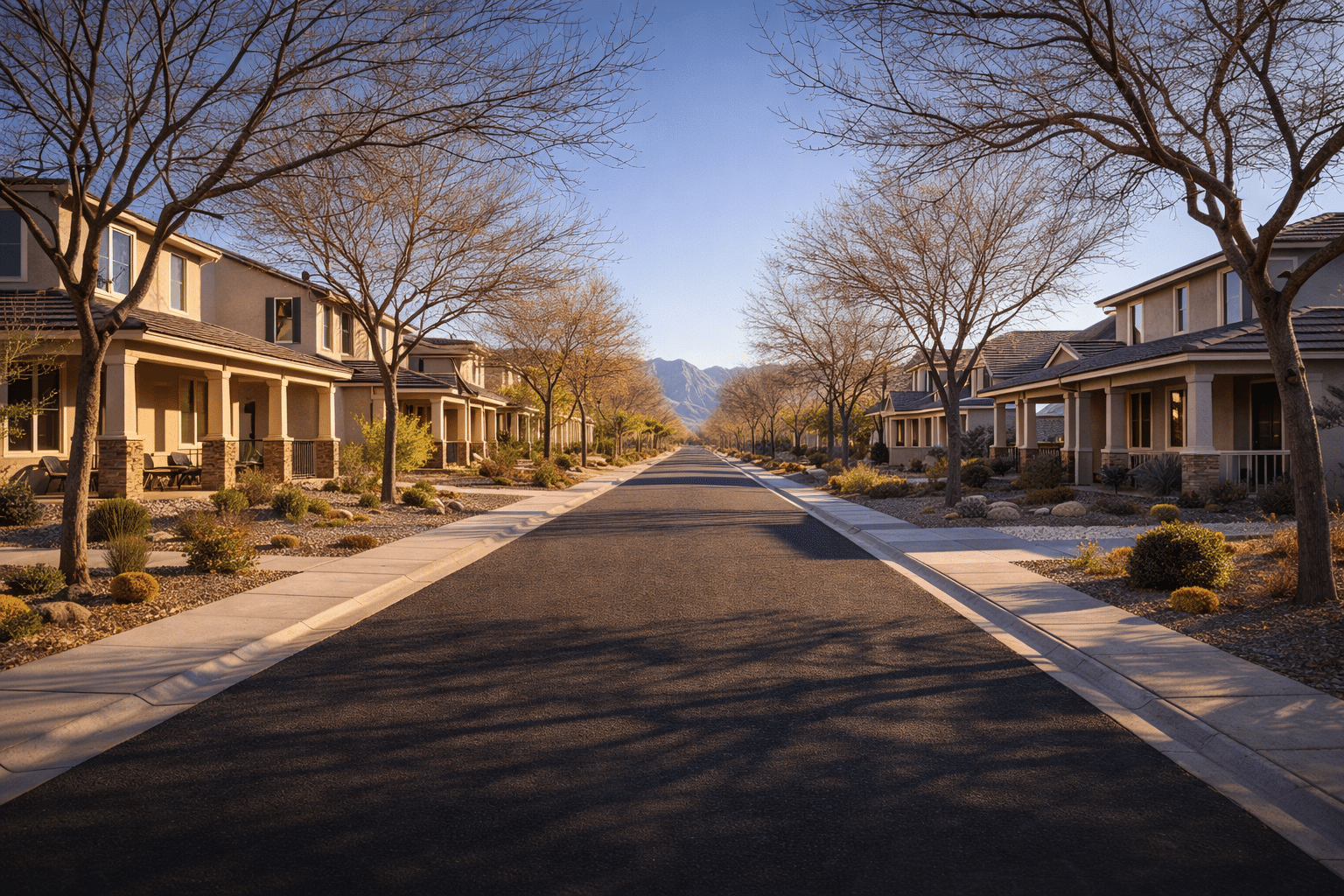
Tree-lined residential street in Buckeye AZ master-planned community at golden hour — West USA Realty

Neighborhoods, Commutes, and Daily Life in Buckeye

Buckeye’s residential fabric covers a wider range than any single neighborhood description can capture. The city’s older core, centered near Monroe Avenue and the historic downtown district, has a different character than the master-planned communities in the city’s southern and eastern growth corridors. Residents in the downtown-adjacent blocks have walkable access to the municipal library, local businesses, and civic events. Residents in master-planned communities move in a more self-contained environment — many daily needs are available within the community boundary, and HOA management maintains the visual consistency of the streets and common areas.

The White Tank Mountains form the northeastern backdrop of the city, and their presence is not merely aesthetic. Residents in communities along Watson Road and Indian School Road have direct sightlines to the range and are within a short drive of White Tank Mountain Regional Park, which draws hikers, mountain bikers, and equestrian riders throughout the year. That proximity to preserved open desert is a genuine quality-of-life asset — one that does not exist in comparable form in most of the East Valley or the central Phoenix submarket.

Grocery access has improved substantially in recent years. Several national chains now operate stores on the northern corridor near Yuma Road and Verrado Way, and additional commercial development continues along the I-10 frontage road as the city’s population base grows into new retail thresholds. Buyers relocating from a more developed suburb should plan for a transition period as they identify the routes and stores that become part of their weekly pattern.

For buyers considering Avondale real estate listings as an alternative, Avondale sits closer to central Phoenix and carries a slightly denser commercial footprint, but entry-level pricing in comparable floorplans generally runs a step above what the same budget produces in Buckeye. Similarly, the Surprise AZ housing market offers a more established retail base and a longer history of residential development, with a corresponding price premium in comparable inventory.

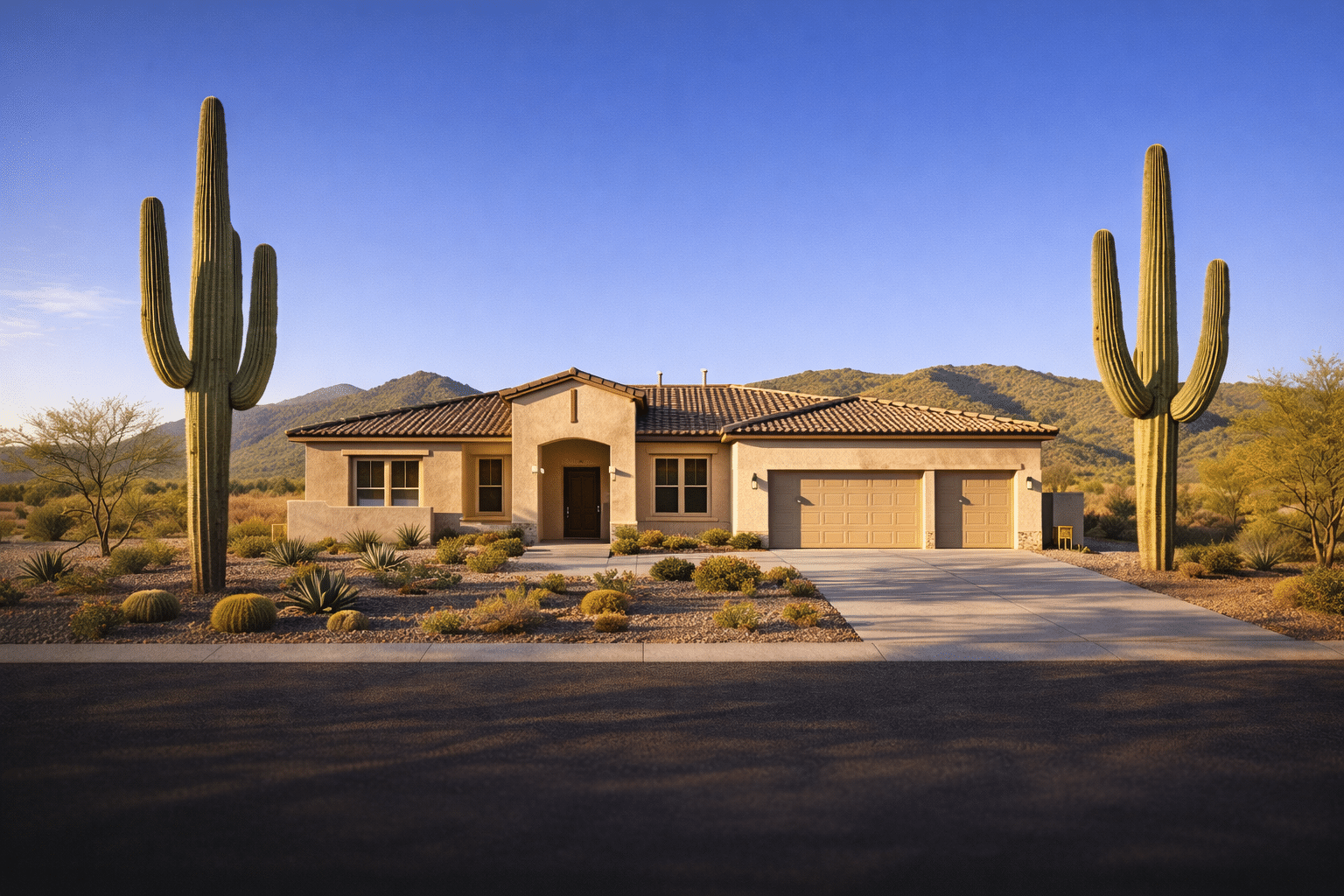
Modern Arizona ranch home with saguaro cactus and clear winter blue sky in Buckeye AZ — West USA Realty

What Are the Most Popular Neighborhoods in Buckeye?

Verrado is the most recognized master-planned community within Buckeye and one of the more distinctive planned developments in the West Valley. Its Main Street commercial corridor, front-porch streetscapes, and walkability set it apart from conventional subdivision layouts. The community has its own HOA governance, a golf club, multiple pools, and extensive parks — and it carries a price premium that reflects those amenities. Buyers who want the most developed community infrastructure and the most cohesive neighborhood design within Buckeye will find it here.

Other active communities in Buckeye’s southern and eastern quadrants attract buyers looking for new-construction homes at more accessible price points without the added premium of Verrado’s brand and amenity structure. These areas offer comparable builder quality and community-level infrastructure at lower base prices, and they are where the bulk of Buckeye’s new-permit activity is concentrated. Several communities along the Loop 303 corridor in Buckeye’s northern sections have also gained traction, benefiting from improved freeway access and a shorter drive to retail and employment nodes to the north.

How Long Is the Commute from Buckeye to Central Phoenix?

Buckeye sits roughly 35 miles west of central Phoenix along the I-10 corridor. Off-peak commute times to downtown Phoenix generally fall in the 30-to-40-minute range. During peak eastbound morning windows, that range can extend depending on incident conditions and time of year. Buyers who work remotely or maintain non-standard schedules report that the commute is manageable. Buyers who need to commute to downtown Phoenix or the East Valley five days a week should drive the route during their actual commute window — not on a Saturday morning — before making a purchase decision.

The Loop 303 interchange in Buckeye’s northern section improves access to the northwest submarket, the Glendale sports and entertainment district, and employment nodes along the Peoria and Surprise corridors. For buyers whose employment is in that quadrant rather than downtown Phoenix, the commute math from Buckeye changes considerably in their favor.

Desert hiking trail toward White Tank Mountains in Buckeye AZ on a clear winter morning — West USA Realty

School Districts and Outdoor Recreation in Buckeye

Two K-8 districts and one high school district serve most Buckeye residential addresses. The Buckeye Elementary School District covers the city’s original residential footprint, including the areas surrounding the historic downtown core. The Litchfield Elementary School District extends into Buckeye’s eastern growth corridor, which includes portions of several master-planned communities developed in the 2000s and 2010s. Buckeye Union High School District serves secondary students across most of the city.

Buyers should verify school assignments by specific address before closing. District boundaries in growing cities adjust as attendance zones respond to population shifts, and a given community may straddle two district boundaries in ways that are not obvious from a map. The Arizona Department of Education and each district’s enrollment office are the authoritative sources for current assignment data. For families considering the west valley broadly, Litchfield Park properties sit within the Litchfield Elementary District and the Agua Fria Union High School District — a comparison worth reviewing for buyers whose address falls near the eastern Buckeye boundary.

Families should confirm school assignments directly with the relevant district and acknowledge that charter and open enrollment options exist alongside district-assigned schools. The practical guidance: run the address through the district’s address-lookup tool, not a third-party rating site.

On the recreation side, Buckeye’s land size works in residents’ favor year-round. The White Tank Mountains to the northeast, White Tank Mountain Regional Park, and several HOA-maintained trail systems within master-planned communities give residents meaningful outdoor access without leaving the city. Buckeye’s Parks and Recreation department maintains aquatic centers, ball fields, and event facilities near the historic core, serving the parts of the city that predate the master-planned era.

What School Districts Serve Buckeye, AZ?

Most K-8 students in Buckeye are assigned to either the Buckeye Elementary School District or the Litchfield Elementary School District, depending on where within the city their home is located. Secondary students across most of the city attend schools within the Buckeye Union High School District. Some addresses in Buckeye’s northern sections may fall under different governance — buyers should confirm district assignment by address before finalizing a purchase. Relying on a neighborhood name or community marketing material alone is not sufficient for enrollment planning.

Property Types and New Construction in Buckeye

Single-family detached homes dominate Buckeye’s housing stock. The city’s land position allows builders and sellers to offer larger floor plans and more generous lot coverage than the same budget produces in land-constrained East Valley markets, and that distinction shapes the buyer profile that consistently gravitates toward Buckeye.

New construction from production builders forms a significant share of active inventory, particularly in the southern and eastern growth corridors. Most production builders offer multiple floor plan tiers within each community — from three-bedroom entry-level designs under 1,500 square feet to five-bedroom configurations above 3,000 square feet. Build quality, included features, and finish levels vary by builder tier. Buyers comparing communities should pay close attention to what is included in the published base price versus what requires an upgrade, and what will need to be added after closing — window treatments, landscaping, and certain exterior finishes are typically not included in standard production-builder contracts.

Resale inventory in Buckeye spans several development eras: 1970s and 1980s homes near the historic downtown core, early 2000s construction from the city’s first suburban expansion, and 2010s-era builds in mid-generation master-planned communities. Each era carries different characteristics. Older homes often offer larger lots and more established landscaping. Newer resale homes offer updated mechanical systems and finishes but typically smaller outdoor footprints within their community’s plan. Earnest money requirements follow standard Arizona contract norms — buyers should discuss deposit amounts with their agent before submitting any offer.

Townhome and patio home inventory exists primarily within specific HOA communities designed for lower-maintenance living. This segment is smaller than the single-family market but is growing as more age-targeted and lock-and-leave communities gain traction in the city’s newer sections.

What Types of Homes Are for Sale in Buckeye?

The majority of homes for sale in Buckeye AZ are single-family detached properties, ranging from modest three-bedroom homes on standard suburban lots to four- and five-bedroom homes on one-acre-or-larger parcels in the city’s rural-adjacent sections. New-construction product from major builders occupies a significant share of active listings. Resale inventory fills in the remaining supply across all age categories.

Buyers interested in new construction should request the builder’s purchase contract well before they are ready to sign — builder agreements differ substantially from the Arizona Association of Realtors standard resale contract, and having an independent agent review the terms is strongly recommended. Builders cannot prevent a buyer from having agent representation, and in most cases, the agent’s commission is covered by the builder.

Diverse family on front porch of Arizona home with desert landscaping at golden hour in Buckeye AZ — West USA Realty

How to Buy a Home in Buckeye, Arizona

Arizona home purchases follow a well-defined sequence, and Buckeye transactions generally track the same path as any Maricopa County purchase. The proportionally high share of new-construction transactions here adds a layer of process familiarity that pays off for buyers who understand the difference between a builder contract and a standard resale agreement before they begin touring model homes.

  1. Confirm financing first. Mortgage pre-approval tells you where your purchasing power actually sits — not where you estimate it might be. Builders will often require pre-approval documentation before allowing you to reserve a lot or select a floor plan, and sellers in the resale market view pre-approved buyers as materially more credible than unverified offers.

  2. Define your target area within Buckeye. The city spans a significant geographic range, and daily life in the Verrado section of the city differs meaningfully from life near the downtown core or the northern Loop 303 corridor. A needs analysis — commute tolerance, school district priority, HOA preference, lot size requirements — run before you begin touring reduces wasted time and sharpens your comparison criteria across communities.

  3. Tour with market data in hand. Bring comparable sales from the past 60 to 90 days to every tour. Your agent should prepare a current market analysis before you make any offer, covering active, pending, and recently closed properties in the same community or price tier. In a market with multiple active builder communities, off-market comparisons are often more relevant than on-market asking prices.

  4. Submit an offer and negotiate. Your agent will structure an offer based on current market conditions, the property’s pricing history, and your flexibility on terms. In resale transactions, earnest money is typically due within one to three business days of acceptance. In builder transactions, the deposit structure is governed by the builder’s contract, which often requires a larger initial deposit than a resale transaction.

  5. Complete the inspection period. Arizona purchase contracts provide a standard inspection period — typically ten days — during which you can conduct a general inspection, a roof inspection, and any specialty inspections the property condition warrants. New-construction purchases should include a pre-drywall inspection and a final walkthrough inspection, even though builder warranty coverage addresses certain post-closing defects.

  6. Clear title and close. Your title company will confirm clean title, prepare closing documents, and coordinate the final walkthrough. Closing costs in Arizona typically run between 2% and 5% of the purchase price for buyers, depending on loan type and any negotiated seller concessions. Buyers using VA or USDA financing should confirm which cost categories the seller is permitted to cover under those loan programs.

Buyers who arrive at the process with financing confirmed, priorities ranked, and a realistic understanding of current inventory tend to close faster and with fewer surprises than those who begin without that groundwork in place.

Frequently Asked Questions About Buckeye Real Estate

What are property taxes like in Buckeye?

Property taxes in Buckeye are assessed by Maricopa County based on a percentage of the property’s full cash value. Owner-occupied primary residences qualify for a lower assessment ratio than investment or rental properties. Buyers should request the prior year’s tax bill from the seller and verify the current assessed value through the Maricopa County Assessor’s website — a purchase can trigger a reassessment that alters the tax amount from what the seller was paying. Your lender will also factor estimated property taxes into your monthly payment projection during the pre-approval process.

Many Buckeye communities — particularly master-planned developments and newer subdivisions — carry monthly or quarterly HOA fees. Fees range from modest amounts covering basic common area maintenance to higher dues in communities with full amenity packages such as clubhouses, pools, sport courts, and managed trail systems. Arizona law requires sellers to provide HOA disclosure documents within a defined window after contract acceptance, and buyers have the right to cancel based on those terms. Review the CC&Rs, budget, and reserve fund health during your inspection period — not just the monthly fee.

Buckeye sits roughly 35 to 40 miles west of Phoenix Sky Harbor International Airport via the I-10 corridor. Drive times range from approximately 40 to 55 minutes under normal conditions, and can extend during peak commute windows or holiday travel periods. Buyers who travel frequently for work should drive the airport route at a time that reflects their typical departure window before committing to a specific neighborhood or community within the city.

Most Buckeye addresses are served by either the Buckeye Elementary School District or the Litchfield Elementary School District for K-8 grades, and by the Buckeye Union High School District for secondary education. District boundaries vary by neighborhood and can shift as the city’s population grows into new attendance zones. Buyers should verify school assignment by their specific address directly with the relevant district — community marketing materials and mapping tools do not always reflect the most current boundary data.

New construction is one of Buckeye’s most active market segments. Several national and regional builders maintain communities offering floor plans across multiple price tiers, from entry-level three-bedroom homes to larger five-bedroom configurations. Buyers comparing new-construction options should look carefully at what is included in the base price, what requires an upgrade payment, and what is not available at all through the builder — items such as window treatments, landscaping, and certain exterior finishes vary widely by builder tier. Having an independent agent review the builder contract before signing is always recommended.

Buckeye’s combination of price accessibility and new-construction availability makes it one of the more approachable entry points into the Phoenix metropolitan area housing market. Entry-level inventory in the city’s established sections and affordably priced production-builder communities both sit within the range that first-time buyers typically qualify for. First-time buyers using FHA financing should confirm with their lender that the specific community they are considering is FHA-eligible — some HOA structures and property types have eligibility restrictions. Exploring Goodyear’s official municipal site alongside Buckeye can also be useful for buyers comparing western corridor options, since the two cities share similar price profiles and new-construction availability.

Resale transactions use the Arizona Association of Realtors standard purchase contract, which includes negotiated terms, a standard inspection contingency, and a defined cancellation process. Builder transactions use the builder’s own contract, written to favor the builder’s timeline and reduce their exposure to cancellation. Builder contracts typically include fewer standard buyer protections, larger initial deposits, and terms that govern what happens if the build is delayed or if materials change during construction. Buyers should not sign a builder contract without having an independent agent review the terms — builder sales offices cannot prevent buyer representation, and in most cases the builder covers the agent commission.

Real Estate-12

Buckeye Property Values

Leading builders like Lennar, Richmond American Homes, and Taylor Morrison have established strong reputations in Buckeye's housing market. Home prices in Buckeye range from the mid $300,000s for starter homes to over $1 million for luxury estates. The real estate market has shown consistent appreciation, with property values increasing by an average of 5-7% annually. Single-family homes dominate the market, though there's a growing selection of townhomes and multi-family developments available. Current inventory levels indicate a healthy market with homes typically selling within 45-60 days of listing. The average price per square foot in Buckeye ranges from $180 to $250, depending on the neighborhood. Recent market trends suggest continued growth potential as Phoenix's western expansion continues to drive demand. New construction remains active, with several developments in various stages of completion throughout the city.

003-school

Schools and Education

The Buckeye Elementary School District and Buckeye Union High School District serve the community with distinction. Local schools consistently receive high ratings from the Arizona Department of Education for academic achievement. Several private schools, including Grace Lutheran School and Desert Springs Academy, offer alternative educational options. The districts provide comprehensive special education services and gifted student programs to meet diverse learning needs. Local schools benefit from strong community support and maintain relatively small class sizes for personalized attention. Educational resources include partnerships with West-MEC for career and technical education opportunities.

030-park

Buckeye Neighborhood Features

Verrado Golf Club offers two championship courses designed by Tom Lehman and John Fought respectively. The community features numerous parks, including the expansive Skyline Regional Park with over 8,700 acres. Multiple community pools, sports courts, and state-of-the-art fitness centers serve residents throughout different neighborhoods. The Verrado Grille and Golf Club provides exclusive membership opportunities for residents seeking a country club experience. Community centers host various activities and classes, from art workshops to fitness programs throughout the year. The extensive trail system connects neighborhoods while providing opportunities for hiking, biking, and nature observation.

034-street sign

Buckeye Walkability

The Verrado Marketplace and Sundance Towne Center offer convenient shopping options for everyday needs and services. Local dining establishments range from casual eateries to upscale restaurants, with many featuring authentic southwestern cuisine. Entertainment options include the nearby Wildlife World Zoo, Aquarium & Safari Park just minutes from many neighborhoods. The Buckeye Arena hosts various events throughout the year, including rodeos and community gatherings. Several shopping centers are currently under development, promising expanded retail options in the coming years. Phoenix's major shopping and entertainment destinations lie within a 45-minute drive.

020-bus

Buckeye Transportation Access

Interstate 10 provides direct access to downtown Phoenix and other major metropolitan areas. The average commute to downtown Phoenix takes approximately 45 minutes during peak traffic hours. Valley Metro offers limited bus service, with plans for expanded public transportation options in development. Multiple Park-and-Ride facilities make carpooling convenient for commuters heading to Phoenix or other employment centers. Electric vehicle charging stations are available at various locations throughout the community. The planned extension of SR 85 will further improve connectivity to other parts of the valley.

021-fire truck

Safety and Security

Buckeye maintains lower crime rates compared to many other Phoenix metropolitan areas. The Buckeye Police Department operates multiple substations throughout the city for quick emergency response times. Many neighborhoods feature active community watch programs working in partnership with local law enforcement. The city's emergency services receive high marks for their response times and professional service. Regular community policing initiatives help maintain strong relationships between residents and law enforcement personnel. Modern security systems and gated communities provide additional safety measures for concerned residents.

001-hospital

Healthcare and Emergency Services

Abrazo Buckeye Emergency Center provides 24/7 emergency medical services to the community. Banner Health Center offers comprehensive primary care and specialty medical services to area residents. Several urgent care facilities ensure convenient access to medical care for non-emergency situations. Mental health services are readily available through various providers and wellness centers in the area. Emergency response times average under eight minutes for most areas within the city limits. The planned development of a full-service hospital will further enhance healthcare options.

025-zoo

Buckeye Parks & Recreation

The White Tank Mountain Regional Park offers extensive hiking and mountain biking opportunities minutes from home. Skyline Regional Park provides over 17 miles of trails for various skill levels and activities. Local outdoor enthusiasts enjoy easy access to numerous desert preserves and natural recreation areas. The community's parks system includes multiple sports fields, basketball courts, and children's play areas. Year-round sunshine enables residents to maintain active outdoor lifestyles throughout all seasons. Various organized sports leagues and outdoor fitness programs cater to different age groups and interests.

042-ferris wheel

Local Events and Community Life

The Buckeye Air Fair draws thousands of visitors annually to celebrate aviation and community spirit. Regular farmers' markets showcase local produce and artisanal products throughout the year. The active HOA system organizes numerous community events, from holiday celebrations to neighborhood block parties. Various volunteer organizations provide opportunities for community engagement and social connection. The Buckeye Valley Chamber of Commerce hosts business networking events and community gatherings regularly. Cultural events and festivals celebrate the area's rich heritage and diverse population.

Real Estate-25

Weather and Climate

Buckeye enjoys over 300 days of sunshine annually, making it ideal for outdoor activities. Summer temperatures typically range from 90 to 110 degrees Fahrenheit with low humidity levels. Winter months bring mild temperatures, typically ranging from 40 to 70 degrees Fahrenheit. The area receives approximately eight inches of rainfall annually, primarily during summer monsoon season. The desert climate creates perfect conditions for golf and outdoor recreation throughout most of the year. Evening temperatures provide comfortable conditions for outdoor dining and entertainment.

Real Estate-27

Safety and Regulations

Buckeye's zoning laws protect property values while ensuring controlled community growth and development. The city's building codes emphasize energy efficiency and desert-appropriate construction techniques. Future development plans include expanded commercial zones and additional residential communities. The area lies outside major flood zones but maintains strict construction standards for monsoon season. City planning prioritizes sustainable development while preserving natural desert landscapes. Regular updates to building codes ensure homes meet the latest safety and efficiency standards.

038-worker

Local Economy and Job Market

Major employers include Amazon, Walmart Distribution Center, and various healthcare facilities. The unemployment rate consistently remains below the national average, reflecting strong economic growth. Several major corporations have announced plans to establish operations in the area. The city actively works to attract new businesses through various economic development initiatives. Technology and logistics sectors show particularly strong growth potential in the region. The diverse economic base provides stability and opportunities across multiple industries.
Real Estate-23

Financial Considerations

Property tax rates remain competitive compared to other Phoenix metropolitan communities. The overall cost of living in Buckeye falls slightly below the national average. Utility costs reflect desert living, with higher summer electricity costs balanced by lower winter expenses. HOA fees typically range from $75 to $200 monthly, depending on community amenities. Solar power initiatives help many residents reduce their long-term utility costs. Insurance rates remain reasonable due to low natural disaster risk.

010-government

Buckeye Local Services

The city council maintains a progressive approach to community development and resident services. Municipal services include weekly trash collection, recycling programs, and regular street maintenance. The city's water conservation programs help ensure sustainable resource management for future growth. Local government actively engages with residents through town halls and community feedback sessions. Public works projects continuously improve infrastructure throughout the growing community. The city maintains transparent communication regarding development plans and public service improvements.

Phoenix metro skyline at twilight viewed from the West Valley near Buckeye Arizona — West USA Realty

For buyers who have compared the West Valley’s options carefully, Buckeye real estate consistently surfaces for a straightforward reason: the price-to-space relationship here is hard to replicate anywhere else in Maricopa County. A budget that produces a modest resale home in a more built-out city produces something materially different in Buckeye — more floor plan, more lot, and a neighborhood that is still forming the infrastructure and commercial character it will carry for decades.

The Arizonan Team at West USA Realty works with buyers across every stage of the ARMLS-listed Buckeye market, from initial neighborhood research to contract negotiation and close. If you are ready to explore current inventory with an agent who understands the west valley’s active communities and builder pipelines, reach out directly.