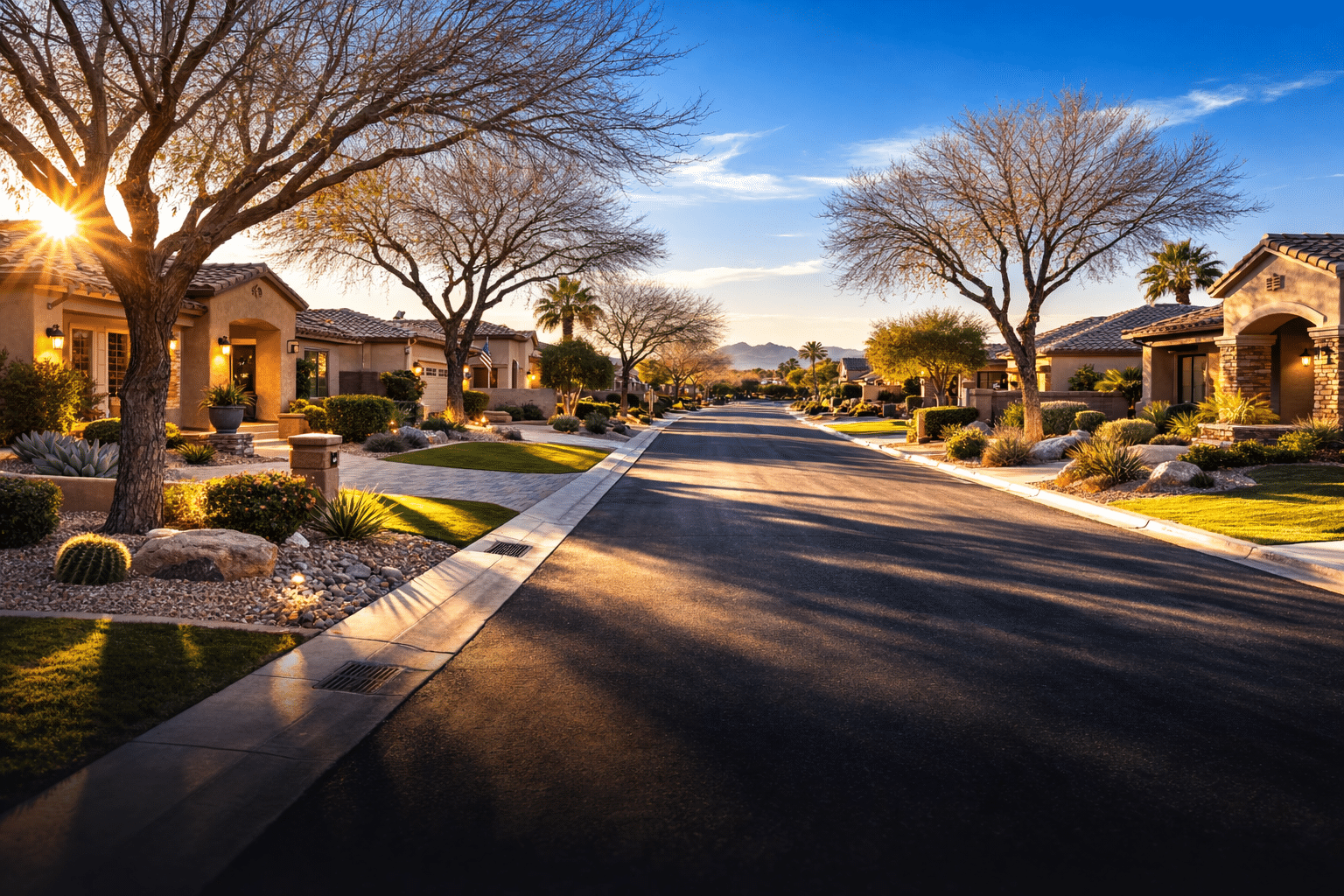
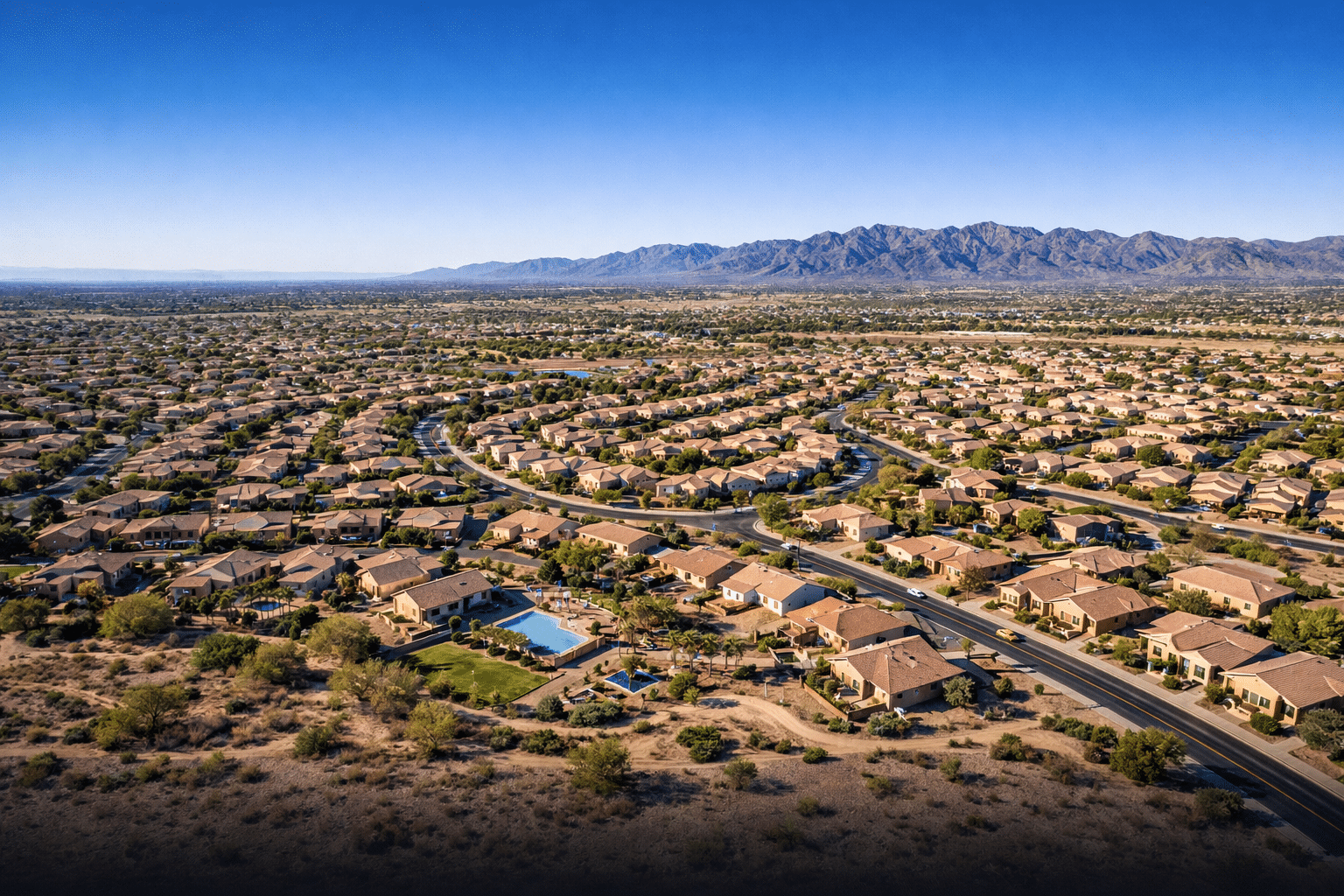

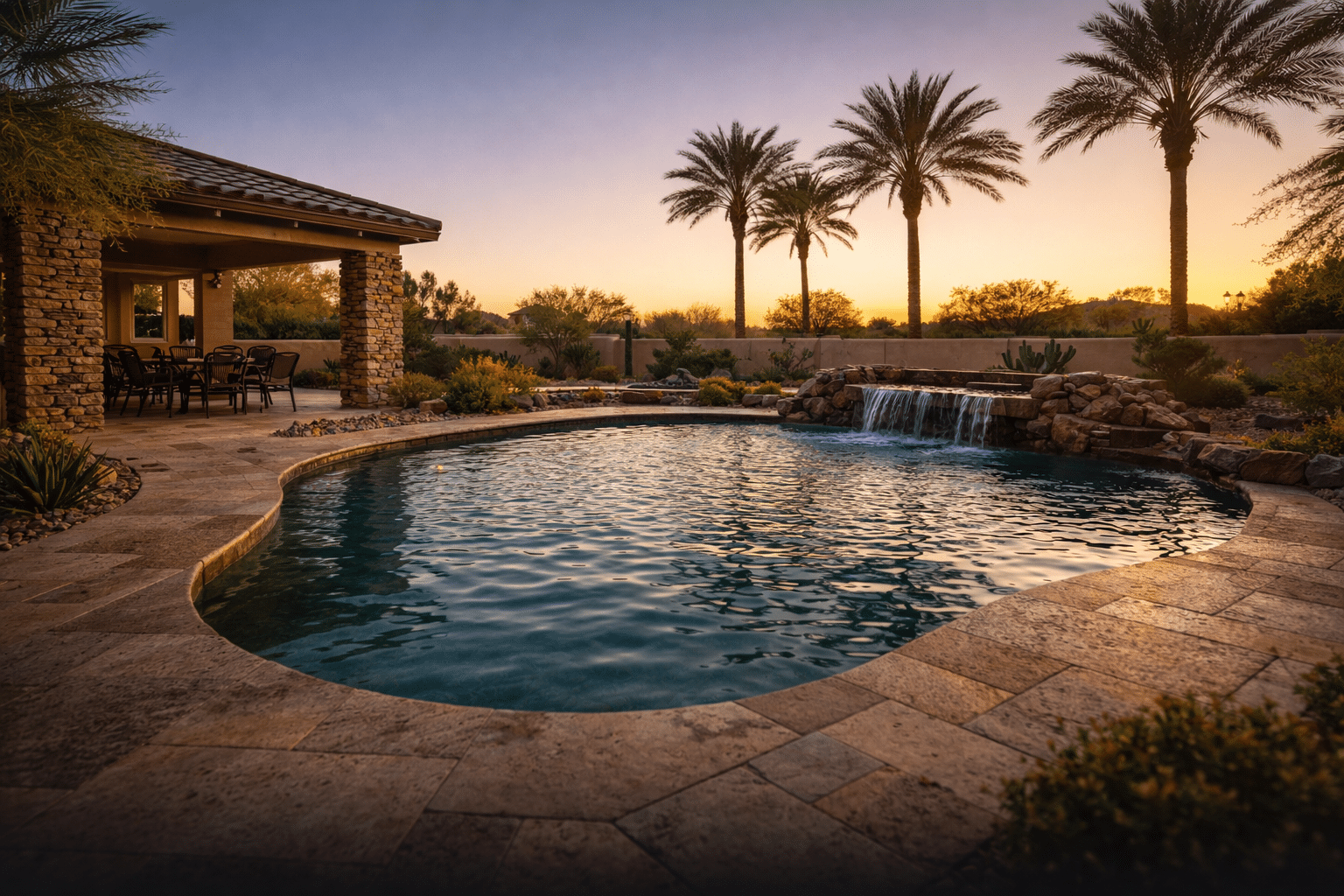
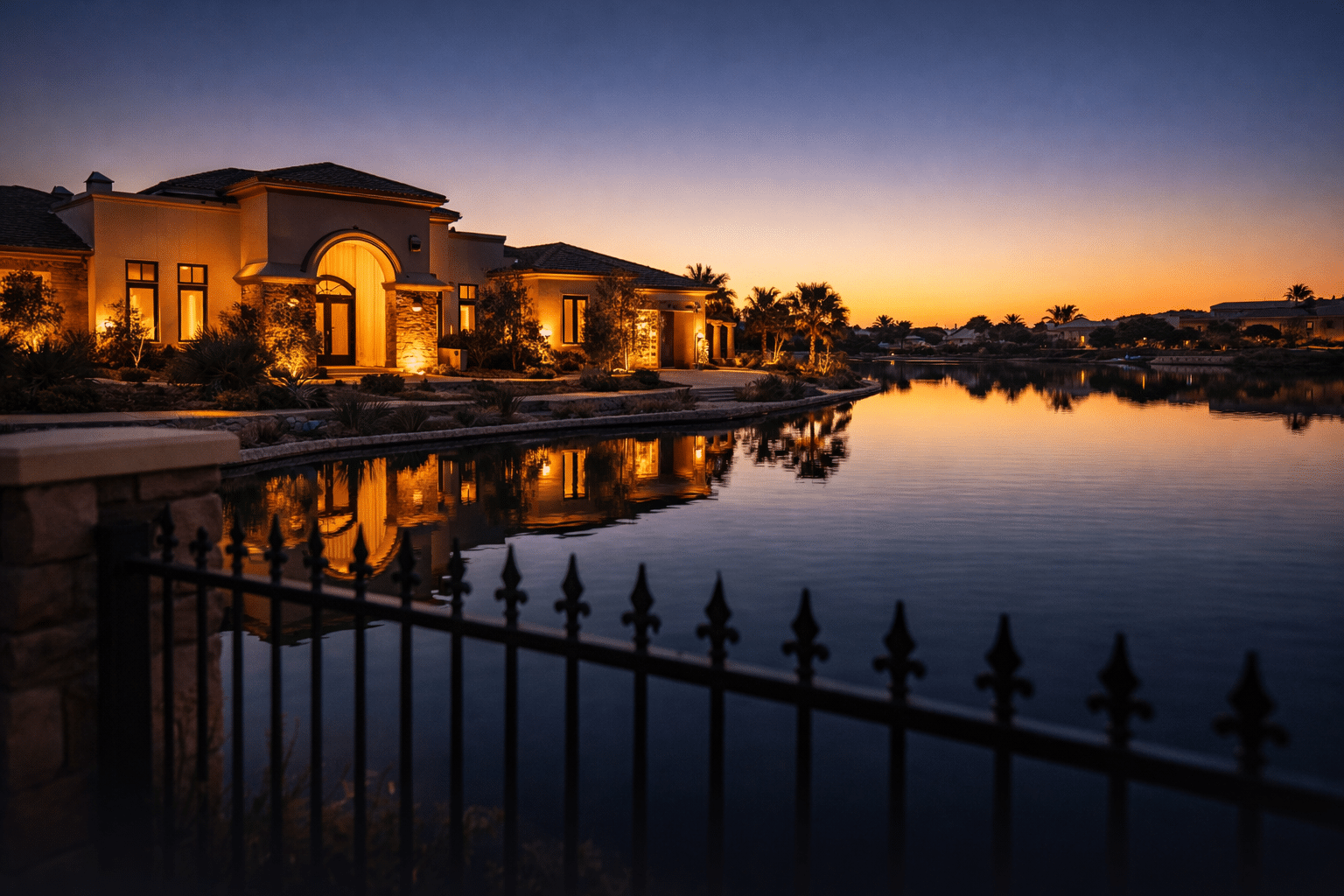

Chandler's real estate landscape features extraordinary diversity across more than thirty distinct neighborhoods ranging from established areas near downtown to premium master-planned communities in south and east Chandler. Current price points span a wide spectrum from $375,000 for starter homes in established neighborhoods to over $2 million for luxury estates in exclusive communities like Ocotillo, Circle G Ranch, and Fulton Ranch. The average price per square foot ranges from $225-$350 depending on neighborhood, age, amenities, and proximity to employment centers, with consistent appreciation averaging 8-12% annually over the past five years. Property types include everything from affordable condominiums and townhomes starting around $300,000 to custom single-family residences with extensive amenities, creating housing options for virtually every life stage and income level. Market activity remains robust with properly priced homes typically selling within 30 days, though luxury properties may remain available longer as buyers in premium categories conduct more deliberate searches. New construction continues in remaining land parcels, particularly in south Chandler, with major builders including Toll Brothers, Shea Homes, and Meritage offering contemporary designs featuring smart home technology, energy efficiency, and resort-style community amenities. The market attracts diverse buyers including technology professionals, healthcare workers, education specialists, and families prioritizing Chandler's excellent schools and quality of life advantages.

Chandler's exceptional educational landscape represents one of the city's most significant advantages for families and a primary driver of real estate values throughout the community. The Chandler Unified School District consistently ranks among Arizona's top-performing districts, with numerous schools receiving "A" ratings from the Arizona Department of Education and multiple National Blue Ribbon School designations. Elementary options include both neighborhood schools within walking distance of many communities and specialized programs like Traditional Academies at schools including Knox, Humphrey, and Tarwater offering more structured academic environments. The district's six exceptional high schools—Chandler, Hamilton, Perry, Basha, Casteel, and Arizona College Prep—provide distinct personalities and specialized programs including International Baccalaureate, advanced STEM pathways, and career technical options preparing students for both college and workforce entry. Charter school alternatives include Basis Chandler, Great Hearts, Legacy Traditional, and American Leadership Academy, offering specialized curriculum approaches attracting families seeking particular educational philosophies. Private education options range from Seton Catholic Preparatory and Chandler Christian Academy to Montessori schools and specialized programs for diverse learning needs. Higher education resources include Chandler-Gilbert Community College and satellite campuses of Arizona State University and University of Arizona, creating seamless pathways from early childhood through adult learning opportunities.

Chandler maintains more than sixty meticulously landscaped parks throughout the city, ranging from intimate neighborhood green spaces to the expansive 113-acre Tumbleweed Park featuring recreational facilities, splash pads, and event venues hosting community celebrations. The award-winning Chandler Recreation Division offers hundreds of programs annually for all ages, from youth sports leagues and summer camps to adult fitness classes and senior activities fostering community connections. The city's Aquatic Centers including Mesquite Groves, Hamilton, and Chandler pools provide relief from summer heat with features ranging from competition swimming facilities to leisure pools with splash features for family enjoyment. Veterans Oasis Park combines recreation with education through its 113 acres featuring a 5-acre lake, urban fishing opportunities, extensive trail systems, and the Environmental Education Center offering nature-focused programming. Sports enthusiasts enjoy Snedigar Sportsplex, Espee Park, and numerous athletic fields supporting organized leagues and casual play in sports ranging from baseball and soccer to cricket and pickleball. The connected trail system spans over 100 miles throughout Chandler, with major pathways including the Paseo Trail, Consolidated Canal Path, and Western Canal creating safe routes for walking, running, and cycling throughout the community. Several signature facilities including the Chandler Community Center, Senior Center, and Chandler Tennis Center provide specialized recreation spaces serving diverse community interests and age groups throughout the year.

Chandler's retail landscape centers around the premier Chandler Fashion Center featuring over 180 stores, restaurants, and entertainment options including major department stores, specialty retailers, and numerous dining establishments ranging from casual to upscale. Downtown Chandler has experienced remarkable revitalization featuring locally-owned boutiques, art galleries, craft breweries, and distinctive restaurants creating a pedestrian-friendly urban experience around the historic square. The upscale Shops at Chandler Village near Chandler Boulevard and Loop 101 hosts premium retailers, while Phoenix Premium Outlets in nearby Chandler provides access to designer brands at discount prices. Culinary excellence defines Chandler's dining scene with notable establishments including Kai Restaurant at Sheraton Wild Horse Pass (Arizona's only Five-Diamond restaurant), Ghost Ranch for modern Southwestern cuisine, The Sicilian Butcher for Italian specialties, and dozens of authentic international restaurants reflecting the community's cultural diversity. Entertainment venues include Chandler Center for the Arts hosting national touring performances, Flix Brewhouse combining cinema with craft beer, Alamo Drafthouse for premium movie experiences, and numerous live music venues throughout downtown. Annual signature events including the Chandler Chamber Ostrich Festival, Great American Barbecue & Beer Festival, and Chandler International Film Festival attract visitors regionwide, while monthly art walks and farmers markets create regular community gathering opportunities. The city's central location provides easy access to additional shopping and entertainment options throughout the greater Phoenix metropolitan area, including major professional sports, concerts, and cultural events.

Chandler benefits from exceptional transportation infrastructure, with the Loop 101 and Loop 202 freeways creating efficient connections to all Phoenix metropolitan destinations including downtown Phoenix, Sky Harbor International Airport, and major employment centers throughout the region. The average commute for Chandler residents working within the city limits typically ranges from 10-20 minutes, while those commuting to downtown Phoenix or Scottsdale generally allow 25-40 minutes depending on time of day and specific routes. Valley Metro provides public bus service along major corridors throughout Chandler, connecting to the light rail system at Mesa's Sycamore Station approximately 20 minutes from downtown Chandler. Transportation infrastructure continues improving with recent completion of the Loop 202 South Mountain Freeway providing enhanced west valley connections, and ongoing widening projects ensuring capacity meets growing population needs. The city's comprehensive bicycle transportation plan has created over 100 miles of bike lanes, dedicated paths, and canal trails connecting neighborhoods, parks, schools, and employment centers for alternative transportation options. Phoenix Sky Harbor International Airport can be reached within 20-30 minutes from most Chandler locations, providing comprehensive global connections, while Phoenix-Mesa Gateway Airport offers additional travel options approximately 15 minutes east of the city. The strategic location between multiple freeways allows Chandler residents efficient access to Arizona's recreational destinations including northern mountain communities, southern wine country, and western lake recreation areas.

Chandler consistently ranks among Arizona's safest cities for its population size, with crime rates significantly below national averages across all major categories and ongoing declines in both property and violent crime over the past decade. The Chandler Police Department employs approximately 350 sworn officers implementing community-oriented policing strategies focused on proactive problem-solving, neighborhood engagement, and technological innovation in crime prevention and detection. The department's award-winning programs include specialized units addressing family violence, mental health crisis response, school resource officers, and advanced crime analysis capabilities predicting and preventing criminal activity. Fire protection and emergency medical services come through the highly-rated Chandler Fire Department operating eleven strategically located stations throughout the city, maintaining average emergency response times under five minutes to most locations. The department's innovative programs include Community Assistance Program sending specialized teams to non-emergency medical calls, saving ambulance resources while providing appropriate care for less critical situations. Advanced emergency management planning addresses potential natural disasters and human-caused emergencies through comprehensive preparation, including specialized training for the city's proximity to chemical facilities and technology infrastructure. The community actively participates in public safety through extensive neighborhood watch programs, the Neighbors app sharing security information, and regular community education programs enhancing overall security awareness.

Chandler residents access excellent healthcare through multiple major medical centers, including Dignity Health Chandler Regional Medical Center with 339 beds providing comprehensive services including Level I Trauma Center designation, advanced cardiac care, neurosciences, women's health, and robotic-assisted surgical capabilities. Banner Health operates multiple facilities serving Chandler residents, with the nearest major hospital being Banner Gateway Medical Center in neighboring Gilbert featuring specialized women's and children's services complementing general acute care. Phoenix Children's Hospital maintains a Chandler campus providing specialized pediatric care, while Mayo Clinic's campuses in nearby Phoenix and Scottsdale offer world-class specialty treatment for complex conditions within 30 minutes of most Chandler locations. Primary care options abound through major provider groups including Banner Medical Group, Dignity Health Medical Group, and numerous independent practices, while specialized medicine spans virtually every discipline through extensive specialist networks throughout the southeast valley. Emergency care accessibility includes not only hospital emergency departments but also multiple urgent care facilities operated by NextCare, FastMed, Banner, and Dignity Health providing extended hours for non-critical situations requiring prompt attention. Mental health resources include several outpatient behavioral health centers, specialized providers serving children and adolescents, and innovative programs addressing substance use disorders with both prevention and recovery support services. Advanced rehabilitation services through facilities like Ability Rehabilitation and APEX Physical Therapy provide comprehensive recovery support for injuries and surgical rehabilitation.

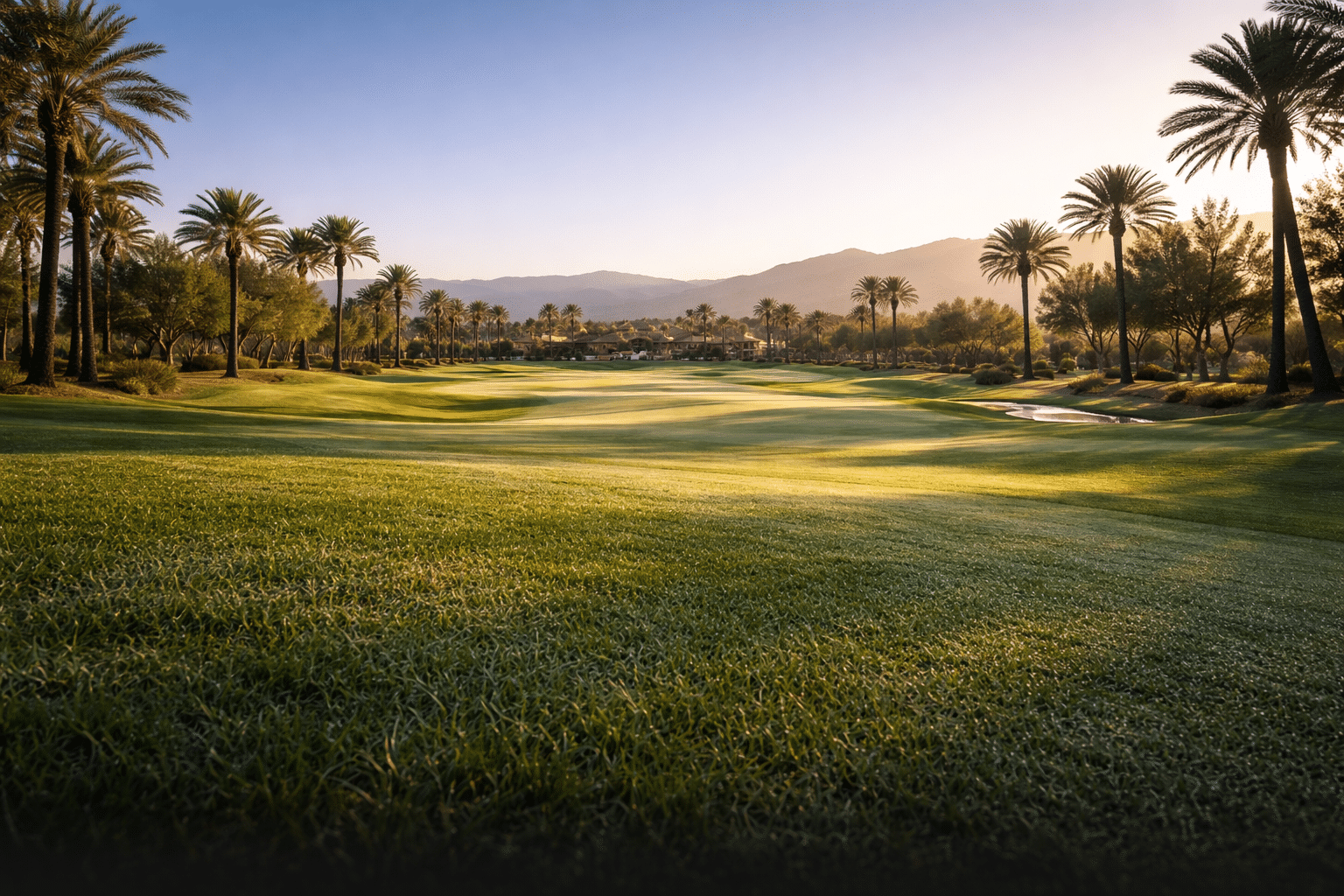
Chandler's exceptional climate creates perfect conditions for outdoor activities approximately nine months yearly, with residents enjoying morning and evening activities even during summer months. The city maintains over 60 parks encompassing nearly 1,200 acres, ranging from neighborhood parks with playgrounds and ramadas to major facilities like Tumbleweed Regional Park hosting community events throughout the year. Golf enthusiasts enjoy exceptional courses including Ocotillo Golf Club's 27 championship holes featuring extensive water features, Whirlwind Golf Club at Wild Horse Pass with two distinct Troon-managed courses, and San Marcos Golf Course, Arizona's first grass course dating to 1913. Veterans Oasis Park combines recreation with desert appreciation through its 113 acres featuring a 5-acre lake, urban fishing opportunities, extensive trail systems, and the Environmental Education Center offering nature-focused programming. The connected trail system spans over 100 miles throughout Chandler, with major pathways including the Paseo Trail, Consolidated Canal Path, and Western Canal creating safe routes for walking, running, and cycling throughout the community. Water recreation opportunities include multiple community pools, splash pads, and proximity to lakes including Saguaro, Canyon, and Pleasant all within day-trip distance. Chandler's strategic location provides easy access to Arizona's diverse outdoor destinations including Sedona's red rocks, Mogollon Rim forests, and Sonoran Desert preserves, all within 2-3 hours drive for weekend adventures.

Chandler's vibrant community calendar features signature events drawing residents together throughout the year, highlighted by the historic Chandler Chamber Ostrich Festival commemorating the city's early ostrich farming history with carnival rides, national music acts, food vendors, and family entertainment attracting over 100,000 visitors annually. The cultural landscape includes the Chandler Center for the Arts hosting approximately 250 performances yearly spanning Broadway shows, concerts, dance, and family programming, while Vision Gallery and Chandler Museum showcase visual arts and community history through changing exhibitions and educational programs. Downtown Chandler hosts monthly art walks, farmers markets, and rotating special events including the Great American Barbecue & Beer Festival, Cinco de Mayo celebration, and Chandler International Film Festival creating regular community gathering opportunities. Family-focused events include the Tumbleweed Tree Lighting Ceremony and Parade of Lights during December, creating holiday traditions spanning generations of Chandler residents. The city's diverse population celebrates multiculturalism through events including Asian Festival, Indian Fair, and Mariachi Festival showcasing traditional music, dance, cuisine, and crafts from various cultures represented within the community. Numerous charitable activities engage residents throughout the year, from Operation Back to School providing educational supplies to Chandler Compadres supporting youth programs through fundraising events spanning golf tournaments to culinary celebrations. The strong sense of community extends to numerous service organizations, faith communities, and volunteer opportunities connecting residents while addressing community needs.

Chandler epitomizes the exceptional Sonoran Desert climate that attracts residents from throughout the country, featuring approximately 330 sunny days annually and consistently warm, dry conditions perfect for active outdoor lifestyles. Winter months from November through April deliver ideal temperatures ranging from morning lows in the 40s-50s to afternoon highs in the 65-80 degree range, creating perfect conditions for outdoor dining, golf, hiking, and community events. Summer brings consistent warmth with typical highs around 100-110 degrees June through September, though extremely low humidity (often below 10%) makes these temperatures more comfortable than humid regions elsewhere in the country. Evening temperatures during summer typically drop 20-30 degrees, creating comfortable conditions for evening outdoor activities, particularly in areas with misters, shade structures, or water features. Annual rainfall averages just over 8 inches, primarily occurring during winter months and the summer monsoon season (July-September), when dramatic thunderstorms provide spectacular lightning displays and brief heavy rainfall. The city experiences virtually no snow, fog, or extended cloudy periods, creating reliable conditions for outdoor activities, solar energy production, and consistent quality of life throughout the calendar year. The predictable climate allows year-round outdoor recreation with seasonal adjustments to timing, with residents typically shifting to morning activities during summer months and midday enjoyment during the mild winter season.

Chandler operates under a council-manager form of government with a mayor, six council members, and professional city management implementing thoughtful policies supporting the community's quality of life. Most residential areas feature homeowners' associations maintaining consistent neighborhood standards while providing amenities ranging from community pools and parks to social events fostering neighborhood connections. The city's planning department has implemented progressive zoning regulations balancing residential, commercial, and industrial uses while requiring appropriate transitions protecting neighborhood character and property values. Chandler's building codes reflect both Arizona's traditional standards and enhanced requirements addressing energy efficiency, water conservation, and sustainable building practices appropriate for desert environments. The comprehensive General Plan guides development with emphasis on creating complete neighborhoods with amenities, services, and transportation options within reasonable proximity to residential areas. Water management receives particular attention through conservation requirements, landscape regulations promoting desert-appropriate plantings, and long-term supply planning ensuring sustainability despite ongoing drought conditions affecting the Southwest. The city maintains strict environmental regulations protecting air quality, managing stormwater, and ensuring responsible handling of materials particularly around technology manufacturing facilities. Future planning emphasizes thoughtful growth management, infrastructure investment preceding development, and maintaining the balance between economic opportunity and quality of life that defines Chandler's appeal.

Chandler's robust economy centers around its role as Phoenix metropolitan area's premier technology employment hub, with the Price Road Corridor hosting multiple global technology firms in semiconductors, aerospace, and software development. Intel's massive campus employing over 12,000 people serves as the city's largest employer, with recent announcements of $20 billion expansion creating thousands of additional high-wage positions affirming the company's long-term commitment to Chandler. The technology sector has diversified beyond manufacturing to include significant research and development operations through companies including Microchip Technology, NXP Semiconductors, Viavi Solutions, and Northrop Grumman. Financial services provide additional economic strength through major employers including PayPal, Bank of America, Wells Fargo, and Voya Financial maintaining significant operations. Healthcare employment continues expanding with Dignity Health Chandler Regional Medical Center employing over 2,500 people while undergoing multiple expansions to serve the growing population. The city's strategic economic development initiatives focus on attracting high-wage employers, supporting technology startups through resources like Chandler Innovations incubator, and ensuring workforce development aligns with emerging industry needs. Recent employment growth has particularly focused on autonomous vehicle technology, aerospace, biotechnology, and financial technology companies finding Chandler's business climate, educated workforce, and quality of life advantages compelling for expansion. The diverse economic base creates resilience against sector-specific downturns while offering career advancement opportunities across multiple industries.

Housing costs in Chandler typically run approximately 15-25% lower than similar properties in Scottsdale or Tempe, creating excellent value while maintaining proximity to employment, education, and amenities. Property tax rates remain moderate compared to national averages, typically ranging between 0.7% and 1.1% of assessed value depending on specific district overlays and bond approvals funding schools and infrastructure. Utility costs reflect the desert climate with summer electric bills for average homes typically ranging from $250-$400 monthly, though newer construction with enhanced energy efficiency features can significantly reduce these expenses. The city's water rates implement a tiered structure encouraging conservation while providing reasonable rates for essential usage, with typical monthly costs ranging from $50-$100 depending on lot size and landscaping choices. Insurance rates benefit from Chandler's excellent safety record, construction quality, and limited natural disaster risks, creating favorable premiums compared to many regions facing hurricane, tornado, or flood concerns. Many neighborhoods maintain reasonable HOA fees typically ranging from $50-$200 monthly depending on amenities, though premium communities with extensive facilities may exceed these figures. The city's strong tax base supported by commercial and industrial development helps maintain moderate residential tax burdens while funding excellent services and infrastructure. The combined factors of strong employment opportunities, moderate living costs compared to coastal technology hubs, and consistent property appreciation create compelling financial advantages for Chandler residents.

Chandler operates under a council-manager form of government with a directly elected mayor, six council members elected at-large, and a professional city manager implementing policy directives through approximately 1,600 municipal employees. The city provides comprehensive services including police, fire, parks and recreation, library, and municipal utilities all funded through a diverse revenue structure balancing property taxes, sales taxes, and user fees maintaining fiscal stability. Chandler's exceptional fiscal management has earned AAA bond ratings from all major agencies, allowing cost-effective infrastructure investment while maintaining reasonable tax rates for residents and businesses. The award-winning Chandler Public Library system operates four branches throughout the city offering not only traditional materials but also digital resources, community programming, and specialized services from children's storytimes to career development assistance. The Environmental Education Center at Veterans Oasis Park provides unique programming connecting residents with sustainable practices and desert ecology through workshops, field studies, and exhibits appropriate for all ages. Public transportation services include Valley Metro bus routes along major corridors, neighborhood circulators providing local connectivity, and dial-a-ride services for seniors and disabled residents ensuring mobility throughout the community. City communication channels maintain exceptional transparency through streaming meetings, comprehensive website resources, active social media engagement, and the Chandler Connect app allowing residents to report concerns directly to appropriate departments for prompt response.