
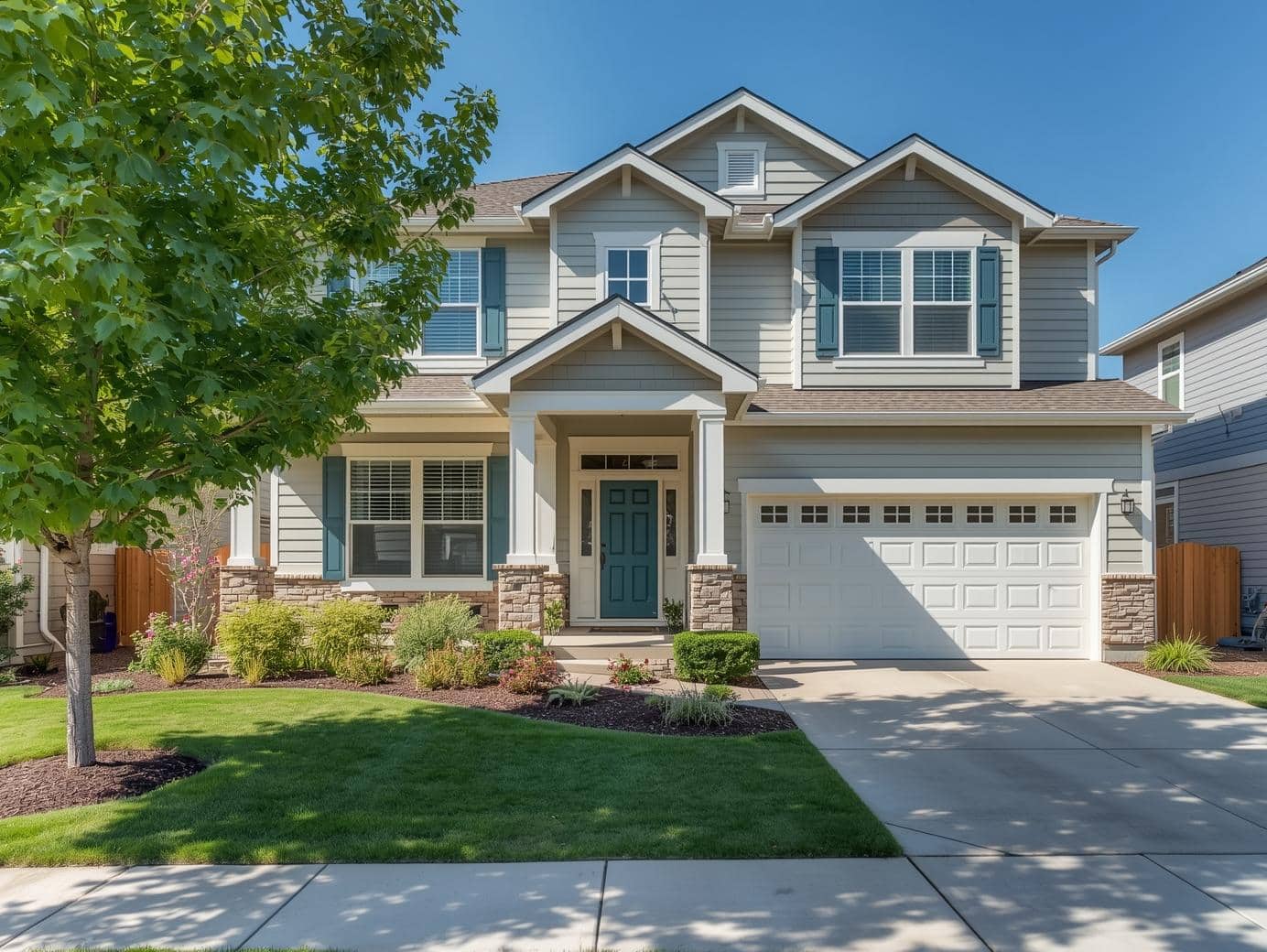
Knowing what to fix before listing can be the difference between a smooth sale and weeks of showings with price reductions. The best pre-listing repairs aren’t always the biggest upgrades—they’re the ones that remove buyer objections, protect your appraisal, and help your home feel clean, cared for, and easy to move into.
Below is a practical Arizona seller guide: what’s worth fixing, what to leave alone, and how to prioritize if you’re on a tight budget or timeline. If you want a local plan tailored to your neighborhood and price point, a pro at West USA Realty can help you choose the upgrades that actually move the needle.
What to Fix Before Listing: The Rule of Thumb
Before you spend a dollar, ask two questions:
- Will this repair show up in a buyer’s first 5 minutes of walking the house?
- Will this repair come up during inspection or appraisal and risk renegotiation?
If the answer is yes to either, it’s usually a good candidate.
Fix These First: High-ROI Repairs That Protect Your Sale
1) Anything that screams “deferred maintenance”
Buyers don’t expect perfection, but they do get nervous when a home looks neglected. Small issues can create a big emotional reaction: What else has been ignored?
Good fixes:
- Dripping faucets, running toilets
- Loose doorknobs, sticking doors
- Missing outlet/switch plates
- Broken blinds, torn screens
- Squeaky ceiling fans or wobbly fixtures
- Cracked grout or failing caulk around tubs/showers
These are inexpensive, but they reduce doubt.
2) Paint touch-ups and wall repairs (not a full “HGTV repaint”)
Fresh paint can help—but you don’t always need to repaint everything. Focus on making the home feel clean, bright, and consistent.
What’s usually worth doing:
- Patch nail holes and repair wall dings
- Spot paint where scuffs and marks are obvious
- Repaint bold accent walls that turn off many buyers
- Paint heavily worn areas (hallways, baseboards, doors)
Best color strategy: neutral and simple. Your goal is to make buyers notice the space, not the paint.
3) Flooring: fix what’s damaged, deep-clean what’s dated
Floors set the tone. Bad flooring is a fast way to lose a buyer emotionally.
Fix/replace if:
- Carpet is stained, pet-damaged, or smells
- Planks are warped, lifting, or missing
- Tile is cracked in multiple places (especially in main areas)
Clean/refresh if:
- Carpet just needs a professional cleaning
- Tile needs grout cleaning and re-sealing
- Hardwood needs a polish or minor repair
If you’re debating whether to replace flooring, consider this: buyers tend to overestimate the cost of flooring and discount your price more than the actual replacement would cost.
4) Lighting: make the home feel bright and current
Lighting is one of the easiest “feel” upgrades.
Do this:
- Replace burnt-out bulbs (every single one)
- Match color temperature (avoid mixed warm/cool bulbs)
- Swap dated fixtures in key areas (entry, dining, primary bath) if they’re glaringly old
- Add lamps in darker rooms for showings
In Arizona, bright interiors photograph better and show cooler—especially in summer.
5) Curb appeal essentials (first impressions matter more than you think)
Buyers start deciding before they reach the front door.
High-impact curb items:
- Fresh mulch/rock touch-up and trimmed plants
- Clean the front door and entry area
- Replace broken drip irrigation emitters (dead plants are a red flag)
- Power wash walkway/driveway if stained
- Clean exterior windows (especially front-facing)
You don’t need a full landscaping redesign—just make it feel tidy and low-stress.
6) HVAC servicing (a big one in Arizona)
A/C performance is huge for buyer confidence in Arizona.
Strong pre-listing move:
- Schedule a professional HVAC tune-up
- Replace filters
- Clean vents/registers
- Keep service records handy
Even if your unit is older, maintenance and documentation can reduce buyer fear and soften inspection negotiations.
7) Roof and water intrusion red flags
You don’t have to replace a roof just because it’s not new—but you should address obvious problems.
Fix these:
- Active leaks or known roof issues
- Staining on ceilings/walls (and the source of the problem)
- Poor drainage causing water pooling near the foundation
- Missing/cracked roof tiles or shingles in visible areas
If you suspect an issue, getting ahead of it can prevent a buyer from demanding large credits later.
8) Kitchens and baths: focus on “clean and functional,” not full remodels
Full remodels rarely pay back dollar-for-dollar right before listing. Instead, improve what buyers notice most.
Smart, affordable wins:
- Replace dated cabinet pulls/knobs
- Fix sticky drawers and loose hinges
- Re-caulk tubs and showers
- Clean or replace grimy grout
- Replace a worn faucet if it’s clearly past its prime
- Make sure every sink drains well and doesn’t leak
If your counters/cabinets are dated but in good shape, staging + cleanliness often beats a rushed renovation.
Fix These If They Apply: Inspection and Safety Items That Trigger Renegotiation
Buyers and inspectors are especially sensitive to safety and “system” issues. If you know about them, consider fixing them before listing.
Common examples:
- Electrical: loose outlets, missing GFCI in wet areas, unsafe DIY wiring
- Plumbing: slow leaks, corrosion at shutoffs, water heater issues
- Gas: improper venting, gas odors, questionable connections
- Structural “signals”: big cracks, doors that won’t close, obvious settling signs
- Pool safety: broken gates/latches (if you have a pool)
These aren’t glamorous fixes, but they reduce the chance of a deal getting shaky during inspection.
What to Leave Alone: Upgrades That Often Don’t Pay Off
Here’s where sellers tend to overspend.
1) Major remodels right before listing
A full kitchen or bath remodel may not return what you spend—especially if the style choices don’t match buyer taste.
Better approach: clean, repair, neutralize, and price appropriately.
2) Replacing windows “because they’re old”
Unless windows are broken, fogged badly, or visibly failing, replacing them is usually a huge cost with limited listing-day payoff.
Do instead: repair screens, clean tracks, wash glass, and make sure they open/close smoothly.
3) Luxury upgrades in a neighborhood that won’t support them
Over-improving is real. If you’re selling an entry-level home, installing premium finishes may not translate into a higher sale price—buyers may still compare your home to nearby comps.
A local agent can help you decide what your area actually rewards. For example, buyer expectations can differ a lot between Phoenix real estate neighborhoods and newer suburban communities like Gilbert homes for sale.
4) Perfecting minor cosmetic issues buyers won’t notice
Most buyers won’t care about:
- Tiny scratches behind furniture
- A slightly mismatched interior door knob
- A cosmetic crack in an unseen corner of the garage
Spend your time where it matters: first impressions and major systems.
5) Installing a pool (or major hardscape) to “increase value”
Pools can be a plus in Arizona—but adding one right before selling rarely pays back quickly. Same goes for big patio expansions or outdoor kitchens unless your neighborhood strongly expects it and you have time to enjoy it.
A Practical Pre-Listing Checklist: What to Do in What Order
Week 1: Remove buyer objections
- Fix leaks, drips, running toilets
- Patch and touch-up walls
- Replace bulbs, make lighting consistent
- Repair obvious broken items (fans, doors, screens)
Week 2: Make it shine
- Deep clean (baseboards, grout, windows)
- Professional carpet cleaning (or replace if needed)
- Declutter and depersonalize (photos, collections)
- Organize closets/garage (buyers peek!)
Week 3: Boost “photo + showing” appeal
- Curb cleanup: trim, sweep, refresh rock/mulch
- Small fixture updates if dated and obvious
- Stage key rooms (or at least create space and flow)
Week 4: Pre-inspection strategy (optional but powerful)
In some cases, sellers choose a pre-listing inspection to uncover issues early. It’s not required, but it can help you control the timeline and avoid surprises mid-escrow.
How Much Should You Spend Before Listing?
A simple way to think about it:
- Must-do: safety, active leaks, obvious damage, HVAC/roof red flags
- Should-do: cleaning, paint touch-ups, flooring refresh, curb appeal
- Nice-to-do: minor cosmetic updates that improve photos or modernize a key space
If you have limited budget, prioritize cleanliness + maintenance + brightness. Those three create buyer confidence without over-investing.
Market Reality Check: Your Competition Sets the Standard
Before you decide what to fix, look at what buyers will compare you to. Scroll through current listings similar to yours using Arizona homes for sale and pay attention to:
- How clean and staged competing homes look
- Whether they’ve updated floors/paint/fixtures
- What “normal” condition looks like at your price point
This isn’t about copying upgrades—it’s about meeting expectations so your home doesn’t feel like the “problem listing.”
FAQs
Should I fix everything the inspection might find before listing?
Not everything. Focus on known safety issues, active leaks, and obvious defects. Minor wear-and-tear is normal and doesn’t always need pre-listing repairs.
Is it better to offer a credit instead of fixing things?
Sometimes. But many buyers prefer repairs done before closing, and some issues can affect financing or appraisal. A smart approach is fixing the high-risk items and using credits selectively.
Do I need to remodel my kitchen to sell?
Usually no. Clean, functional, well-lit kitchens sell. Small updates (hardware, faucet, paint, deep clean) often outperform a rushed remodel.
What improvements help photos the most?
Lighting, decluttering, clean floors, fresh paint touch-ups, and curb appeal. These change the “feel” instantly and make listings look sharper online.
What if I don’t have time to fix much?
Do the basics: deep clean, remove clutter, fix obvious defects, replace bulbs, and improve curb appeal. Those are the highest-impact fast wins.
Conclusion: Fix What Builds Confidence, Skip What Won’t Pay Back
The smartest approach to what sellers should fix before listing is simple: remove buyer objections, reduce inspection surprises, and make the home feel bright, clean, and cared for. Leave major remodels and low-ROI upgrades alone unless your local market strongly demands them.
If you’re planning to sell soon, the best next step is getting a neighborhood-specific plan and pricing strategy from West USA Realty. You can also explore how homes like yours are being presented right now by browsing Arizona homes for sale, then learn how to prepare and market your home using the West USA seller resource hub.