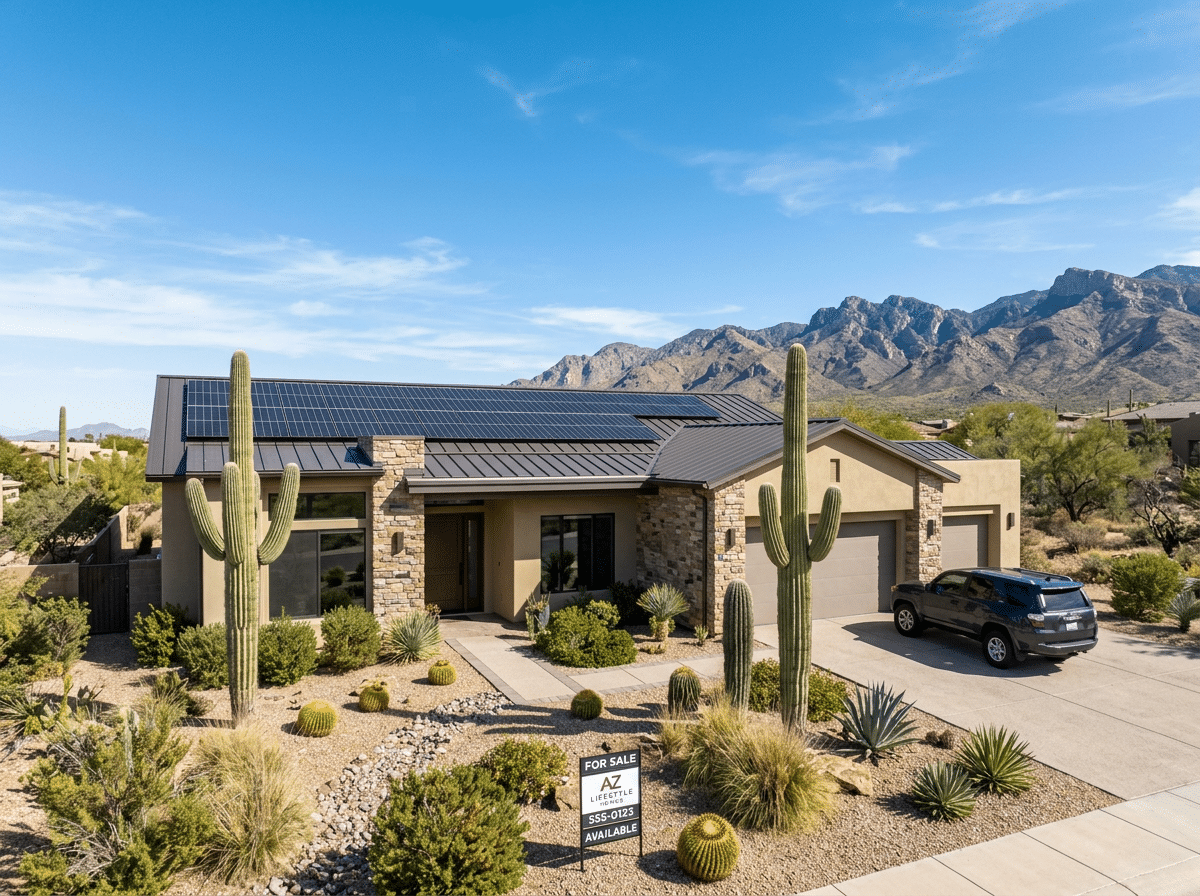
Buying a solar home can be a smart move—lower bills, more predictable energy costs, and (sometimes) extra resale appeal. But buying a solar home in Arizona comes with a few “gotchas” that don’t show up until you’re under contract: leases vs. owned systems, roof warranty questions, lender appraisal rules, and utility rate structures that can change the math.
This guide walks you through what to check before you fall in love with the solar panels—so you can make a confident offer and avoid last-minute surprises in escrow. If you’re already touring homes, a local agent with West USA Realty can help you request the right documents early and keep your timelines protected.
Why Solar Homes Are Different in Arizona
Arizona sunlight is no joke—which makes solar a natural fit. But solar savings aren’t one-size-fits-all here because your utility territory and rate plan matter a lot. Two neighbors with the same-sized system can have very different outcomes depending on:
- Whether the system is owned, financed, leased, or under a power purchase agreement (PPA)
- Which utility serves the home (APS vs. SRP vs. others)
- How much of the home’s energy use happens during peak hours
- Whether there’s a battery, and how the home is set up to “self-consume” solar power
That’s why the first goal when you’re buying is simple: identify what you’re actually inheriting—equipment, contracts, warranties, and billing rules.
Buying a Solar Home: Start With This One Question
Do the sellers own the solar system—or is it leased/PPA?
This single detail can change:
- How the home appraises for financing
- Whether you’ll need to assume payments
- Whether the seller must pay it off at closing
- How clean (or complicated) your closing becomes
Here’s the plain-English breakdown:
Owned solar (best-case “clean” scenario)
- Seller owns the panels outright (paid cash)
- Or the system is financed in a way that can be paid off at closing
- No third-party lease company controls the equipment
Owned solar is usually easiest to transfer because it’s treated like a permanent home feature.
Financed solar (could be fine, but paperwork matters)
Solar can be financed in different ways. Some financing structures can create lender/appraisal complications if the panels are considered personal property collateral (often tied to a UCC filing). Fannie Mae’s guidance notes that when panels are leased or covered by a PPA, the appraiser generally may not include the value in the home’s appraised value, and financed systems can also be excluded depending on how they’re secured and whether they can be repossessed.
Solar lease or PPA (the “read every page” scenario)
With a lease, you’re paying to “rent” the panels. With a PPA, you pay for the power produced at a set rate. In both cases, you’re stepping into a contract with a third party—and that contract can impact your loan, your monthly costs, and your resale later.
Bottom line: Don’t treat “solar” as a single feature. Treat it like a mini financial product attached to the property.
The Solar Document Checklist to Request ASAP
Before your inspection period starts shrinking, ask for these items early (your agent can help you request them cleanly):
- Proof of ownership (or lease/PPA agreement if not owned)
- System specs (size in kW, inverter type, battery info if any)
- Production history (monthly production over the last 12–24 months)
- Utility bills (the same months as the production history—so you can compare)
- Warranty documents (panels, inverter, roof penetrations/workmanship)
- Permits and final inspections (city/county sign-off where applicable)
- Monitoring app access (so you can actually see performance after closing)
- Any UCC filings or lender documents (if the system is financed)
This is especially important in fast-moving areas like the Phoenix real estate market where decisions can feel rushed—getting the paperwork early helps you keep leverage and clarity.
Utility Reality Check: APS and SRP Can Change the Savings Story
Solar articles online often assume “classic net metering.” Arizona isn’t that simple.
APS: export credits are based on the Resource Comparison Proxy (RCP)
APS uses an RCP export credit schedule that changes over time. In APS’s published RCP rate rider, the “Tranche 2025” export credit is listed as $0.06171 per kWh for interconnection applications from September 1, 2025 through August 31, 2026, and it notes the customer’s initial RCP rate applies for 10 years from interconnection.
What this means for buyers: the value of excess power you send to the grid may be much lower than the retail rate you pay, so self-consumption (using power while it’s being generated) becomes more important.
SRP: different plan structures, and export credits can be low
SRP’s solar price plan page explains that on its export plans, excess energy is instantly exported and credited at a fixed price of 3.45 cents per kWh. It also highlights demand-based plans vs export-based plans and how on-peak/off-peak behavior affects results.
What this means for buyers: a solar home in SRP territory may still be a great purchase—but you want to understand how demand charges or export credits interact with the home’s usage pattern (pool equipment, EV charging, work-from-home schedules, etc.).
If you’re shopping broadly across the East Valley—say in Gilbert or Queen Creek—utility territory can vary neighborhood to neighborhood, so checking the current bill is a must.
Roof + Solar: What You Need to Confirm Before You Buy
Solar isn’t just panels—it’s also how those panels interact with the roof for the next 10–25 years.
Ask these roof-related questions
- How old is the roof?
If the roof is near end-of-life, removing and reinstalling panels can be a major cost. - Who guarantees roof penetrations and flashing?
Manufacturer warranty and installer workmanship warranty aren’t the same thing. - Is it tile, shingle, or flat roof?
Each has different repair complexity and replacement cost implications. - Have any roof repairs happened since installation?
If yes, get receipts and details on who removed/reinstalled panels.
If you love the home but the roof/solar combo feels uncertain, your inspection strategy might include both a home inspector and a roofer familiar with solar-mounted systems.
Appraisal and Financing: How Solar Can Help—or Complicate—Your Loan
Here’s the lender reality: not all solar “counts” the same in an appraisal.
Fannie Mae’s solar appraisal guidance highlights that:
- Owned systems may be included (subject to standard appraisal requirements)
- Leased/PPA systems generally may not be included in appraised value
- Some financed systems may be excluded if the panels serve as collateral for another debt or could be repossessed
Practical takeaways for buyers
- If the system is leased/PPA, expect your lender to request documentation—and don’t assume the appraised value will increase because of solar.
- If the system is financed, ask whether it will be paid off at closing (often the cleanest path).
- If assumption is required, confirm:
- credit requirements
- transfer fees
- timing (assumption approvals can take weeks)
This is one of those areas where buying with a strong local team matters—especially in premium pockets like Scottsdale where home pricing and appraisal sensitivity can be higher.
Solar Leases and PPAs: What to Look For in the Fine Print
If the home has a lease or PPA, scan for these terms (and have your agent help you evaluate):
- Monthly payment and annual escalator (does it increase each year?)
- Contract length (often 15–25 years)
- Buyout options (can you buy it later? at what price?)
- Transfer process (how long, what paperwork, what fees)
- Maintenance responsibilities (who repairs what, and how fast)
- Production guarantees (and what happens if production drops)
- Lien/UCC filing details (important for closing and financing)
A lease/PPA isn’t automatically “bad,” but it must fit your budget and your plan to stay in the home.
Don’t Skip This Step: Compare Production to Actual Bills
One of the best reality checks is matching:
- solar production history (kWh generated), and
- utility bills (kWh consumed + charges/credits)
Look for:
- summer months (A/C load is the real test in Arizona)
- whether the home still has high on-peak costs
- whether the system is sized appropriately for the home’s lifestyle
If the current owners are very energy-conscious (or rarely home), your results may differ. That’s not a dealbreaker—it just means your evaluation should reflect your usage.
Insurance, Maintenance, and Monitoring: “Who Owns What” After Closing?
Before you close, confirm:
- whether panels are covered under the homeowner’s insurance policy (and if any endorsement is needed)
- whether the inverter is still under warranty (inverters often have shorter warranties than panels)
- whether you’ll receive access to the monitoring portal/app on day one
Also ask if there’s a battery system and whether it’s:
- owned outright,
- under a separate financing agreement, or
- part of the original install contract.
Tax Credit Talk (Quick, Careful, and Worth Checking)
If you’re thinking about adding solar later—or buying a home with a system installed recently—you’ll probably hear about federal tax credits.
The IRS “Residential Clean Energy Credit” page states the credit equals 30% of costs for qualified clean energy property, and its page (last reviewed January 12, 2026) describes eligibility for property installed from 2022 through December 31, 2025, while also noting the credit can be claimed until it begins to phase out in 2033—so you’ll want to confirm current, situation-specific eligibility with a tax professional.
Important buyer note: In most resale situations, the tax credit (if any) generally would have belonged to the original installer/owner when the system was placed in service—not automatically the new buyer. Ask for install dates and documentation and confirm with your tax pro.
FAQs About Buying a Solar Home in Arizona
Does solar increase home value in Arizona?
Sometimes—especially when the system is owned and comparable sales support value. Leased/PPA systems generally don’t add appraised value the same way owned systems can.
What’s the biggest mistake buyers make with solar homes?
Assuming all solar is the same. The contract type (owned vs lease/PPA), roof condition, and utility rate plan can completely change the outcome.
Can I require the seller to pay off the solar loan at closing?
Often, yes—buyers commonly negotiate for payoff so the home transfers without an extra monthly obligation (subject to contract negotiation and lender requirements).
Is APS or SRP better for solar?
They’re different. APS uses an RCP export credit schedule that changes by tranche, and SRP offers solar plans with different pricing structures and export credits (including a fixed export rate on export plans).
Should I buy a home with a solar lease?
It depends on the payment terms, escalator, remaining contract length, and transfer requirements. It can work—but only if you’re comfortable with the agreement and your lender approves it.
Next Step: Shop Smarter (and Verify Solar Before You Commit)
Buying the right solar home isn’t about being an energy expert—it’s about asking the right questions early, getting the right documents, and making sure the numbers work for your lifestyle.
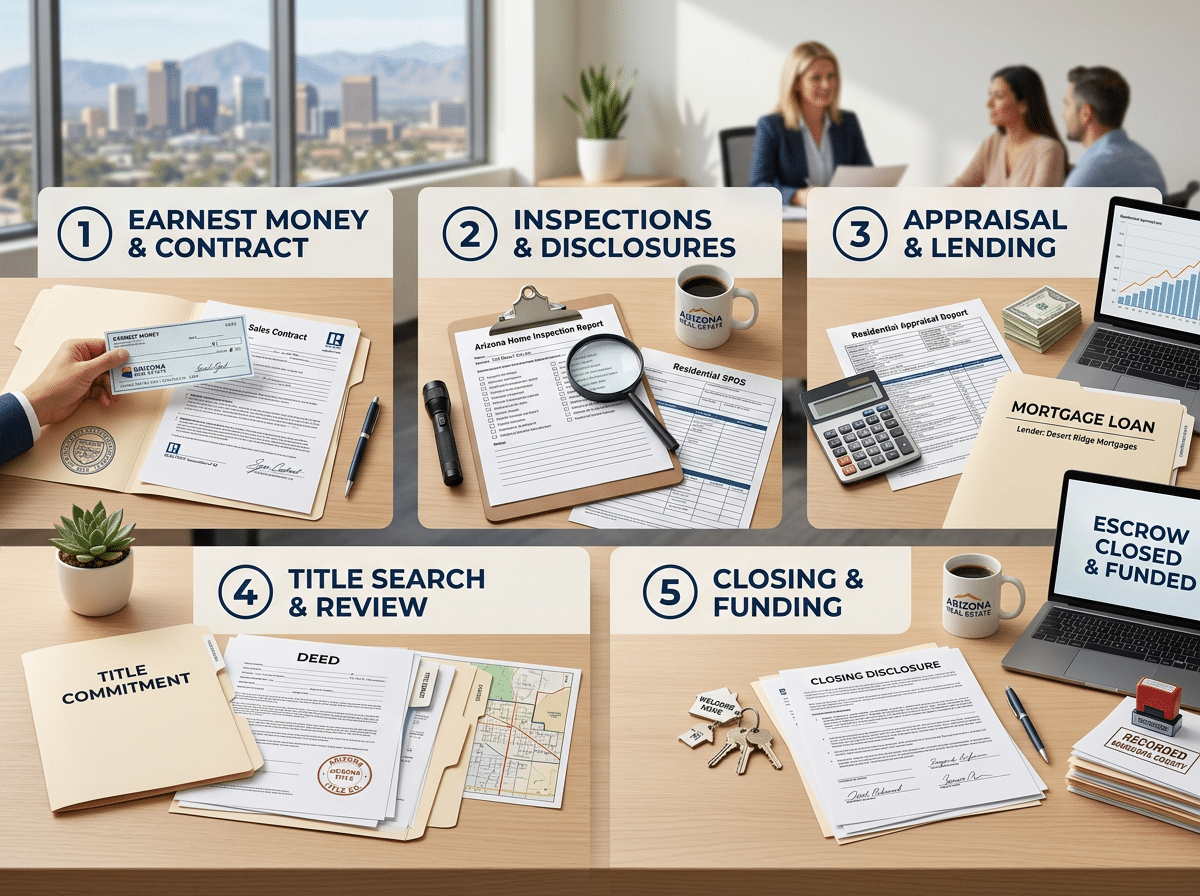
If you’re ready to start touring, browse Arizona homes for sale and keep a running list of which homes have owned solar vs leased/PPA solar so your offer strategy stays clean. For a step-by-step view of the buying process (timelines, inspections, escrow basics), the Arizona homebuyer resources are a helpful place to start. And when you want a local pro to help you evaluate solar terms, utility impacts, and resale considerations, reach out to West USA Realty for guidance that fits the neighborhood and the numbers.