Selling a home in Arizona often comes with one big question: should you sell house as-is in Arizona, or make repairs first? The right answer depends on your timeline, budget, your home’s condition, and what buyers in your area expect. In some neighborhoods, a move-in-ready home can command a premium. In others, buyers will happily take on projects—if the price makes sense.
This guide breaks down how to decide, what repairs typically matter most in Arizona, and how to avoid spending money that won’t come back at closing. If you want a clearer picture of your options, a local agent at West USA Realty can help you compare “as-is” pricing versus a light refresh based on current buyer demand.
What “As-Is” Really Means in Arizona (and What It Doesn’t)
Selling as-is means you’re telling buyers you’re not planning to make repairs or improvements as a condition of the sale. The home is sold in its current condition—good, bad, and everything in between.
But here’s the key: as-is does not mean “no disclosures.” Arizona sellers still have disclosure obligations, and buyers can still inspect the property. An “as-is” listing can reduce your negotiation burden, but it doesn’t automatically prevent buyers from requesting repairs or credits during inspection.
Practical takeaway: Selling as-is is less about “refusing everything” and more about setting expectations upfront—so you attract buyers who are comfortable with the condition and price.
When Selling As-Is Makes the Most Sense
If your priority is speed, simplicity, or avoiding upfront costs, selling as-is can be a smart move. Here are the most common “as-is” situations in Arizona:
You need to sell quickly
Job relocation, life changes, or carrying two mortgages can make time your biggest constraint. Repairs often add delays—contractors, permits, supply issues, and scheduling.
The home needs major work
Big-ticket items—roof replacement, foundation issues, extensive plumbing problems, or significant water damage—can be hard to “ROI” your way out of. In those cases, pricing strategically and marketing to the right buyer pool can be more effective.
The home is inherited or part of an estate
Estate sales often favor simplicity. If you’re coordinating from out of state or managing multiple heirs, as-is can reduce time and logistics.
You don’t want to manage repairs
Even “simple” repairs can turn into weeks of decisions, vendor quotes, and follow-up. If minimizing stress is a top goal, as-is can be a relief.
You’re targeting investors or renovation buyers
Some markets have strong demand from remodelers, landlords, and buyers seeking value. A well-priced as-is home can attract serious offers—especially if your home is in a location with consistent demand like the Phoenix real estate market.
When Making Repairs (or Updates) Usually Pays Off
Repairs and light upgrades can absolutely increase your net proceeds—when they align with buyer expectations and don’t spiral into a full remodel.
You’re in a neighborhood where “move-in ready” wins
In areas with lots of retail buyers (not investors), the gap between “needs work” and “ready to go” can be significant. In higher-expectation pockets—like parts of the Scottsdale real estate market—clean presentation and functional systems often matter more.
Your home has “finance-blocking” issues
Some problems can limit buyer financing options, shrinking your buyer pool and lowering offers. Common examples:
- Active roof leaks or severely worn roof
- Non-functioning HVAC
- Electrical safety hazards
- Plumbing leaks or non-working fixtures
- Severe termite damage or structural concerns
Fixing certain issues can expand the pool of qualified buyers and reduce renegotiation risk later.
The home is mostly fine—but looks tired
Cosmetic fatigue can scare buyers even when the home is solid. A modest refresh (paint, lighting, deep clean, minor repairs) can change the perceived value dramatically.
Start With This Simple Decision Framework
Before you price out repairs, answer these four questions:
1) What’s your timeline?
- 0–30 days: as-is is often the simplest route
- 30–60 days: targeted repairs + prep can work
- 60+ days: you can consider strategic improvements if ROI supports it
2) What’s your budget for upfront costs?
If you can’t (or don’t want to) spend money before listing, as-is may be best. If you can invest a small amount, you may unlock a higher price tier.
3) What’s your risk tolerance?
Repairs can uncover more problems—especially in older homes. If you want predictable outcomes, focus only on high-confidence fixes (minor repairs, paint, cleaning, landscaping).
4) Who is your likely buyer?
Your likely buyer profile changes by area and price point. A starter home in Gilbert may attract different expectations than a luxury-leaning neighborhood elsewhere. Knowing your buyer helps you choose the right strategy.
The Repairs That Usually Matter Most in Arizona
Arizona has unique “deal-breaker” themes because of heat, sun exposure, and common home features (pools, HVAC, stucco, tile roofs).
HVAC and cooling performance
In the Valley, AC isn’t optional. Buyers notice:
- system age and service records
- uneven cooling
- duct or thermostat issues
- visible maintenance problems
If the unit is working well, great—document it. If it’s not, repairs can reduce buyer fear and help appraisal confidence.
Roof condition (especially underlayment)
Tile roofs can look fine from the street, while underlayment may be aging underneath. If you know the roof has issues, get ahead of it with either a repair or realistic pricing.
Pool and equipment (if applicable)
A green pool, failing pump, or broken heater can create immediate buyer stress. Sometimes a basic service, cleanup, or minor equipment repair is a high-ROI move.
Stucco/paint and sun damage
Arizona sun is intense. Faded exterior paint, cracking stucco, or sun-damaged trim can make a home feel neglected—even if it’s structurally fine.
Windows, doors, and seals
Drafty doors, broken seals, or difficult sliders are small issues that can create big “this house needs work” vibes during showings.
The “Do This, Not That” Repair List for Sellers
Here’s a practical way to avoid overspending.
Usually worth doing (high impact, manageable cost)
- Deep cleaning (including grout, baseboards, windows)
- Decluttering + simple staging
- Touch-up paint in a neutral tone
- Fix obvious small items (leaky faucet, loose handles, sticky doors)
- Replace a few dated lights or hardware (consistent finishes help)
- Basic yard cleanup (trim, weed, refresh gravel where needed)
Often not worth it (unless your market demands it)
- Full kitchen remodel right before listing
- Major flooring replacement throughout (unless severely damaged)
- High-end custom upgrades that won’t match your neighborhood price ceiling
- Over-personalized design choices
Seller tip: If you’re debating a bigger project, compare the likely “after-repair” price to your all-in cost (money + time + stress). The goal is net profit—not a prettier house.
Consider the “Repair Credit” Middle Ground
Not ready to handle repairs, but you’re worried buyers will demand them? There’s a middle option: offer a credit (or adjust price) instead of completing the work.
This can work well when:
- the repair is straightforward but inconvenient (like replacing carpet)
- buyers want control over materials/contractors
- you want to avoid delays and surprises
A credit can also reduce the chances you’ll redo work to match someone else’s taste.
How Your City and Price Point Can Change the Best Strategy
Arizona isn’t one market—expectations vary by location, home style, and price range.
- Phoenix: Buyers range from first-time homeowners to investors. Condition and pricing strategy matter a lot; “as-is” can work well when priced correctly and marketed clearly.
- Scottsdale: Presentation tends to matter more; buyers often expect functional systems and polished finishes.
- East Valley (Gilbert/Queen Creek): Many buyers prioritize move-in readiness, especially in newer subdivisions. If you’re selling in Queen Creek, minor prep work can be a meaningful differentiator.
If you’re trying to gauge what’s typical in your neighborhood, it helps to compare active listings and recent sales—starting with Arizona homes for sale so you can see what buyers are choosing right now.
A Step-by-Step Way to Decide (Without Guessing)
Step 1: Identify “must-fix” vs. “nice-to-fix”
Must-fix items are those that can:
- create safety concerns
- block financing
- trigger major inspection pushback
Nice-to-fix items are aesthetic or convenience updates.
Step 2: Estimate your likely buyer reaction
Ask: “Will this issue reduce offers, reduce showings, or create tougher negotiations?”
Step 3: Run a quick ROI reality check
- What will the repair cost?
- How long will it delay listing?
- Will it expand your buyer pool?
- Will it increase sale price enough to justify the hassle?
Step 4: Choose one of three strategies
- Sell as-is (price accordingly, disclose clearly)
- Fix the deal-breakers (HVAC/roof/safety items)
- Refresh + repair (minor fixes + cosmetic prep for top-dollar positioning)
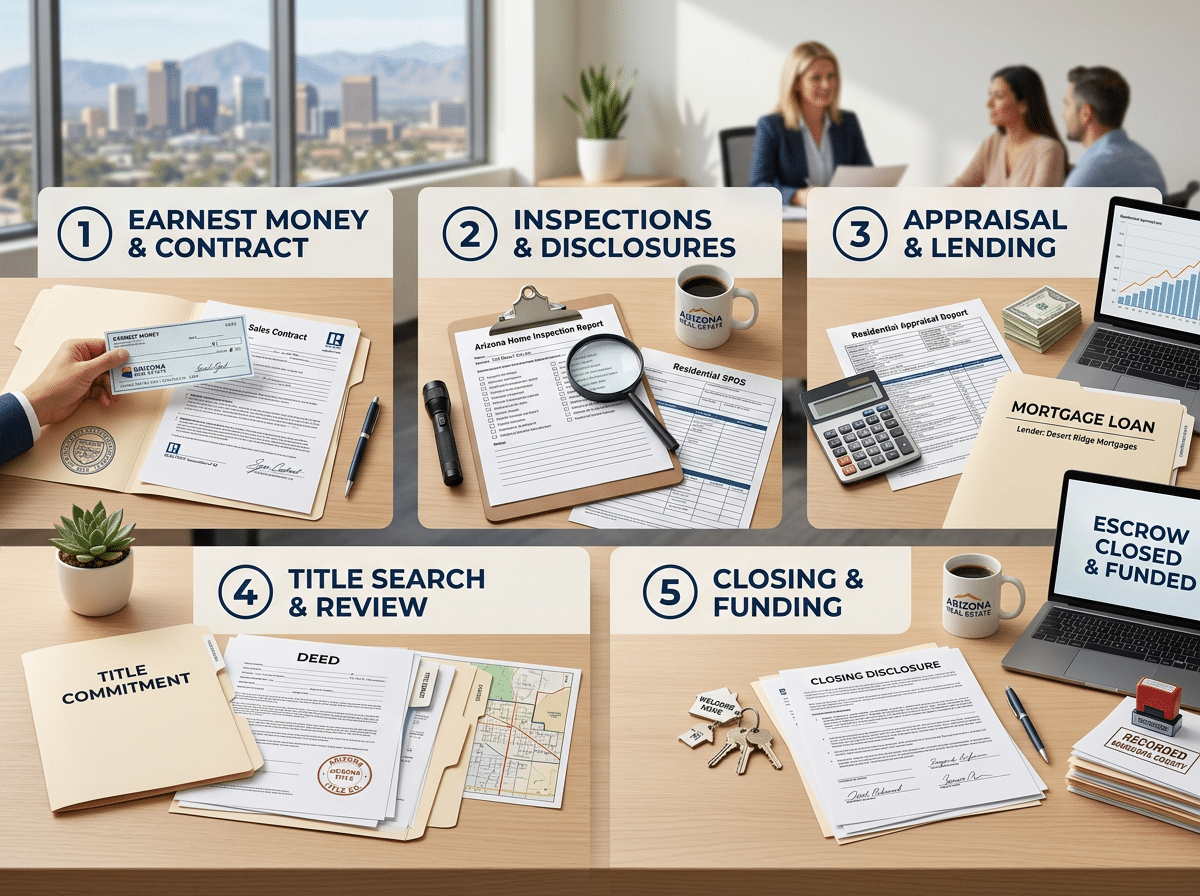
For a structured prep plan and what Arizona sellers can expect during the transaction, review the West USA Realty Sellers guide—it’s a helpful overview of pricing, preparation, marketing, and negotiation.
FAQs: Selling As-Is vs. Making Repairs in Arizona
1) Will selling as-is scare away buyers?
It can reduce interest from buyers who want turnkey, but it can also attract the right buyers faster—especially if the price reflects the condition and the listing is clear about expectations.
2) Do I still have to allow inspections if I sell as-is?
In most cases, yes—buyers typically retain inspection rights unless the contract terms limit them. “As-is” usually affects repair negotiations, not whether inspections happen.
3) What repairs help a home sell faster in Arizona?
Functional cooling (HVAC), addressing roof concerns, fixing visible leaks, and improving curb appeal (clean landscaping and fresh exterior touch-ups) tend to have outsized impact.
4) Should I remodel my kitchen before listing?
Usually not right before selling—unless your neighborhood price range and comps strongly support it. Many sellers do better with smaller updates: paint, lighting, hardware, and professional cleaning.
5) Can I price higher and still sell as-is?
Sometimes—if the location is strong and the home’s issues are mostly cosmetic. But when the home needs significant work, pricing realistically is what creates buyer urgency and cleaner negotiations.
Conclusion: The Best Choice Is the One That Maximizes Your Net—Not Your To-Do List
If you’re weighing sell house as-is in Arizona versus making repairs, focus on net proceeds, timeline, and buyer expectations. As-is can be the right call when major repairs or life circumstances make speed and simplicity the priority. Making targeted repairs can be worth it when it expands your buyer pool, prevents financing issues, or helps your home compete with move-in-ready listings.
If you’d like a local, numbers-based recommendation, connect with West USA Realty for a clear plan. You can also start by browsing Arizona homes for sale to see what homes like yours look like at different condition levels—and what buyers are responding to.